Guides
Help center for Most conversion automation and pixel activation.
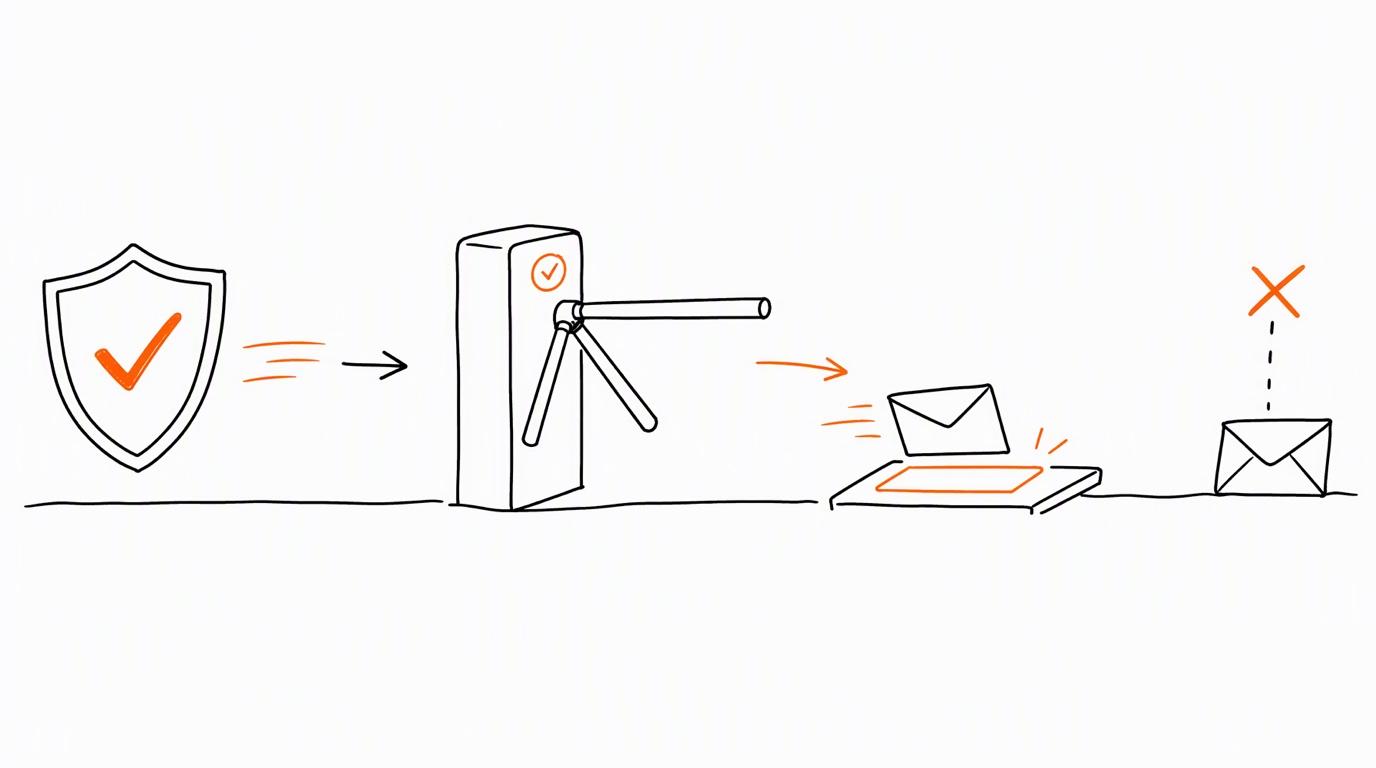
Implement first-party data consent in server-side delivery
A server queue does not automatically know a visitor's current choices. Keep the decision record, event and destination policy connected so each send can be explained.

Preserve event time through queues and time zones
A timestamp can be validly formatted and still describe the wrong moment. Compare source, queue and payload values before blaming a reporting window.
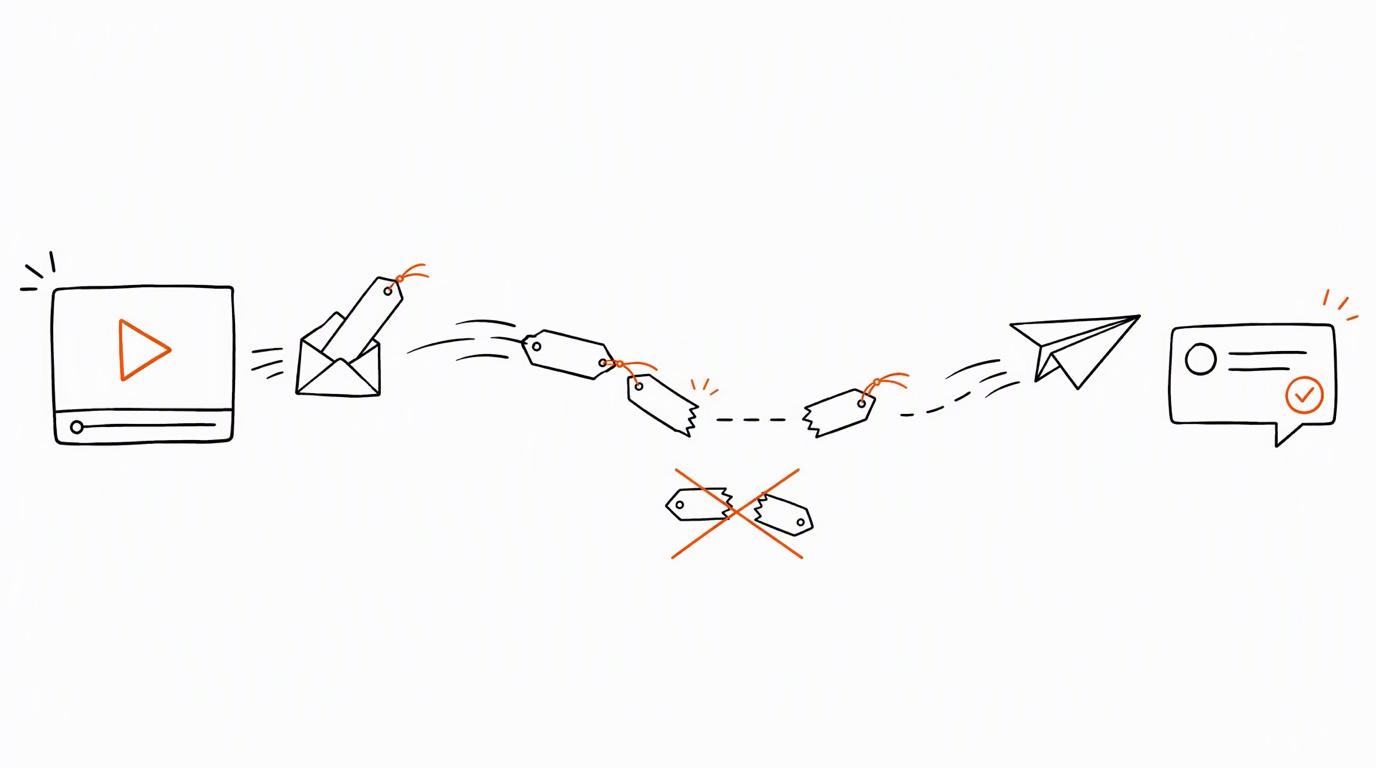
Demand Gen attribution across a Telegram handoff
A campaign placement, a Telegram destination and a conversion import are separate parts of the route. Connect them with observed records instead of assuming identifiers survive.

How a partner postback connects to a Telegram route
A received callback can still have an unknown identifier or an unmapped status. Trace one transaction through separate records before changing the campaign.
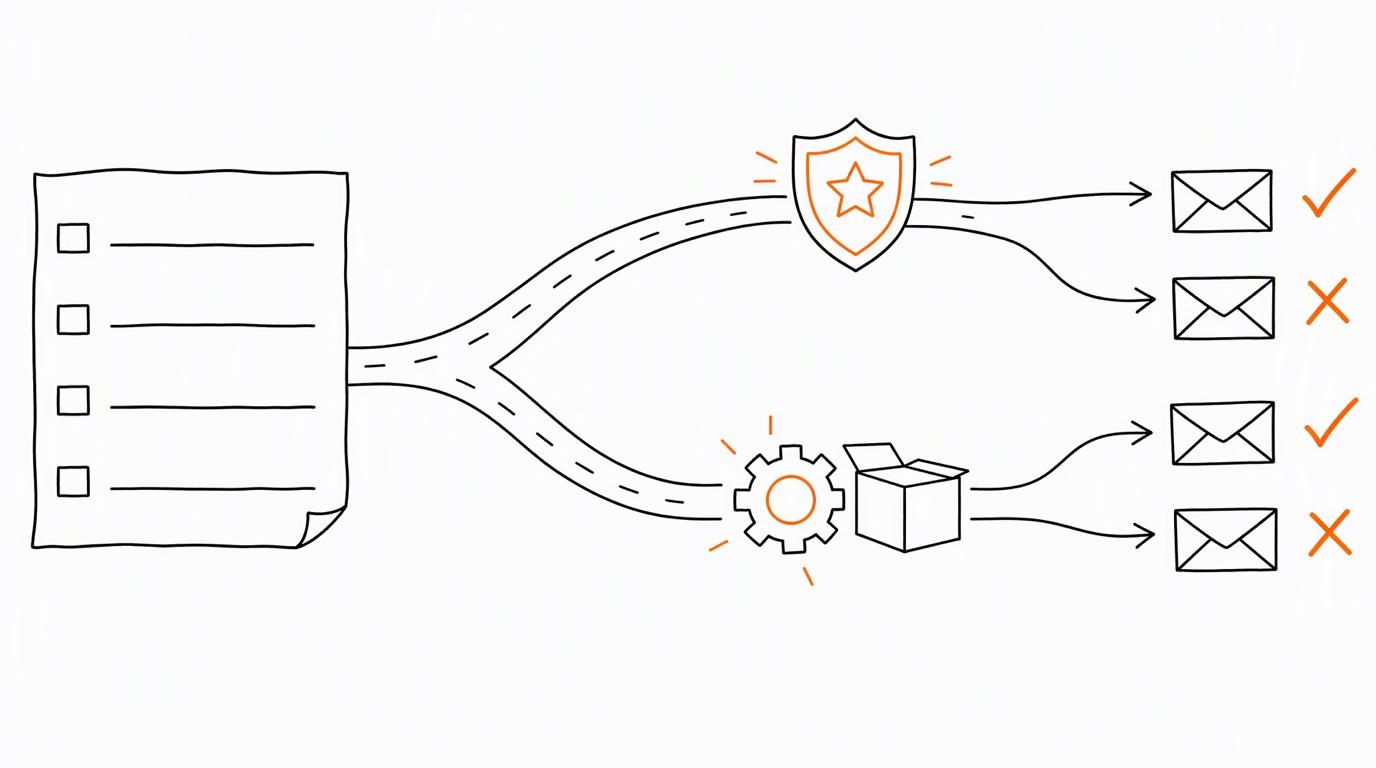
Managed Versus Self-Hosted Integration: Four Questions a Contract Must Answer
Comparing a managed integration with a self-hosted one means reading obligations, not brands: where the click and sent-event records live, who applies updates, which support text exists in the agreement, and why a published $55 per month and a price of Custom cannot be divided into each other.
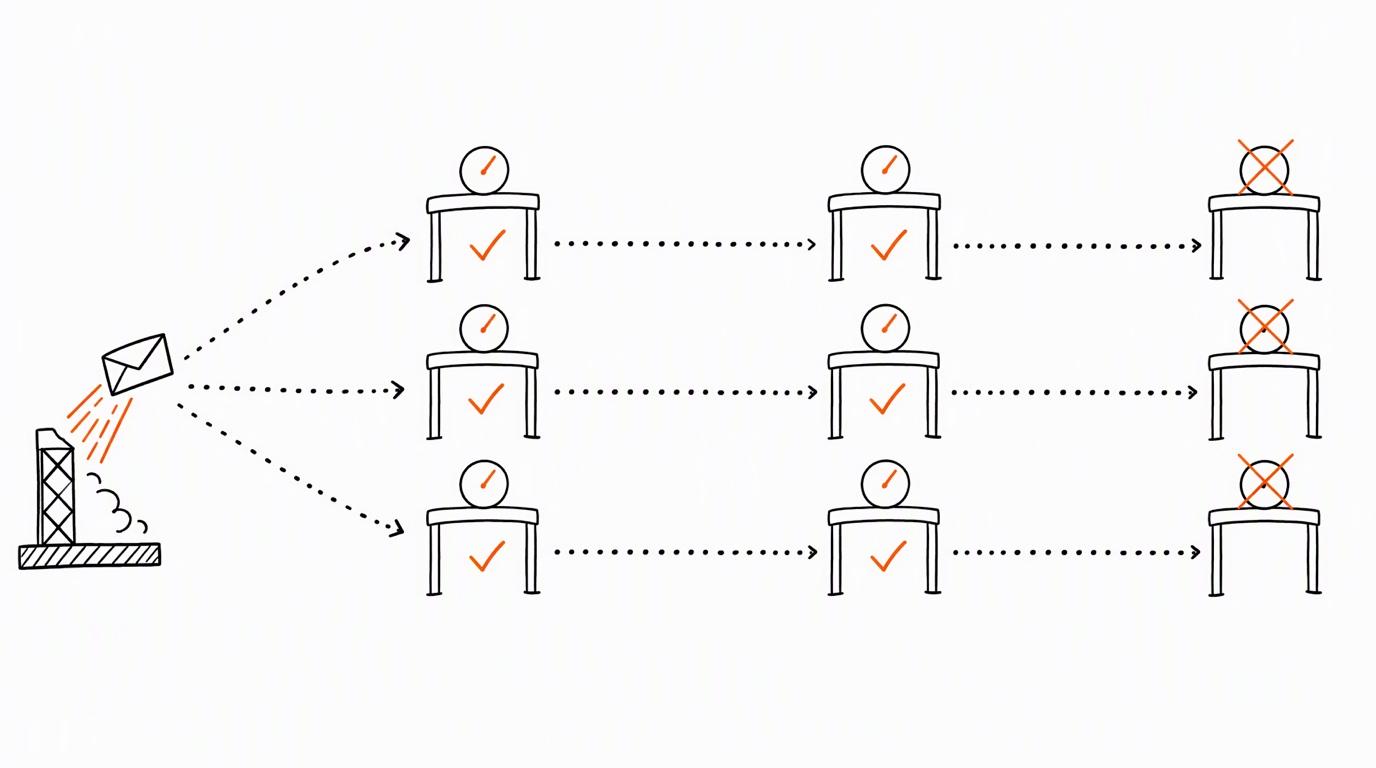
Multi-Destination Conversion Test: Sent, Accepted and Recorded Are Three Facts
A multi-destination conversion test leaves a separate receipt for each platform. Record the request, response and test mode, then check the destination evidence. The procedure distinguishes acceptance from storage, matching and attribution.

Legacy Tracker Data Migration: What Survives the Export
Before any cutover date is written down, one question decides the whole migration: what can a legacy tracker export still carry per row. Click keys, time bases and links the source already lost are three separate inventories, and the side-by-side feed compares them row by row.
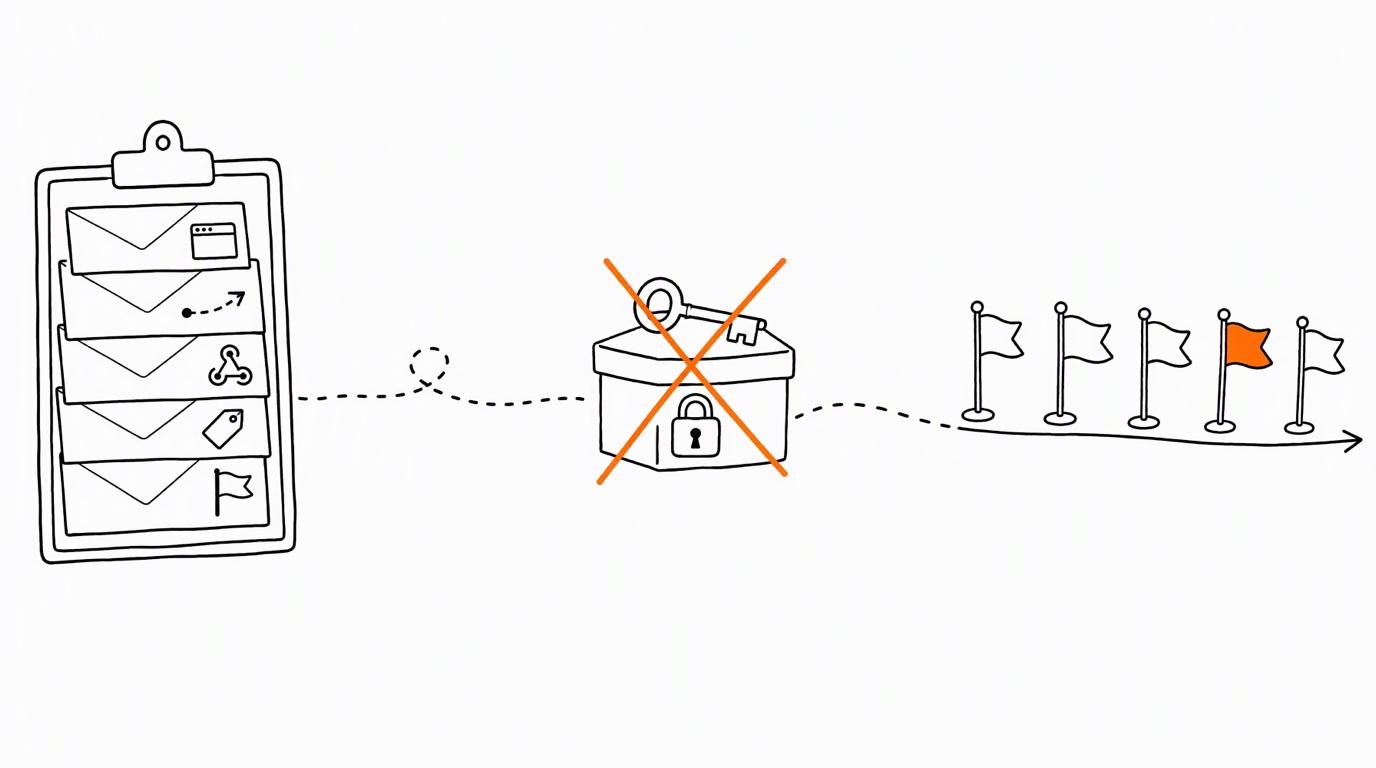
Conversion Path Brief: What the Contractor Needs Before Work Starts
A conversion path brief is what the customer hands to the contractor before any integration work starts: five mandatory input sets, no credentials in the text, and four separate acceptance lines so sent, accepted, counted and attributed never get signed off as one.
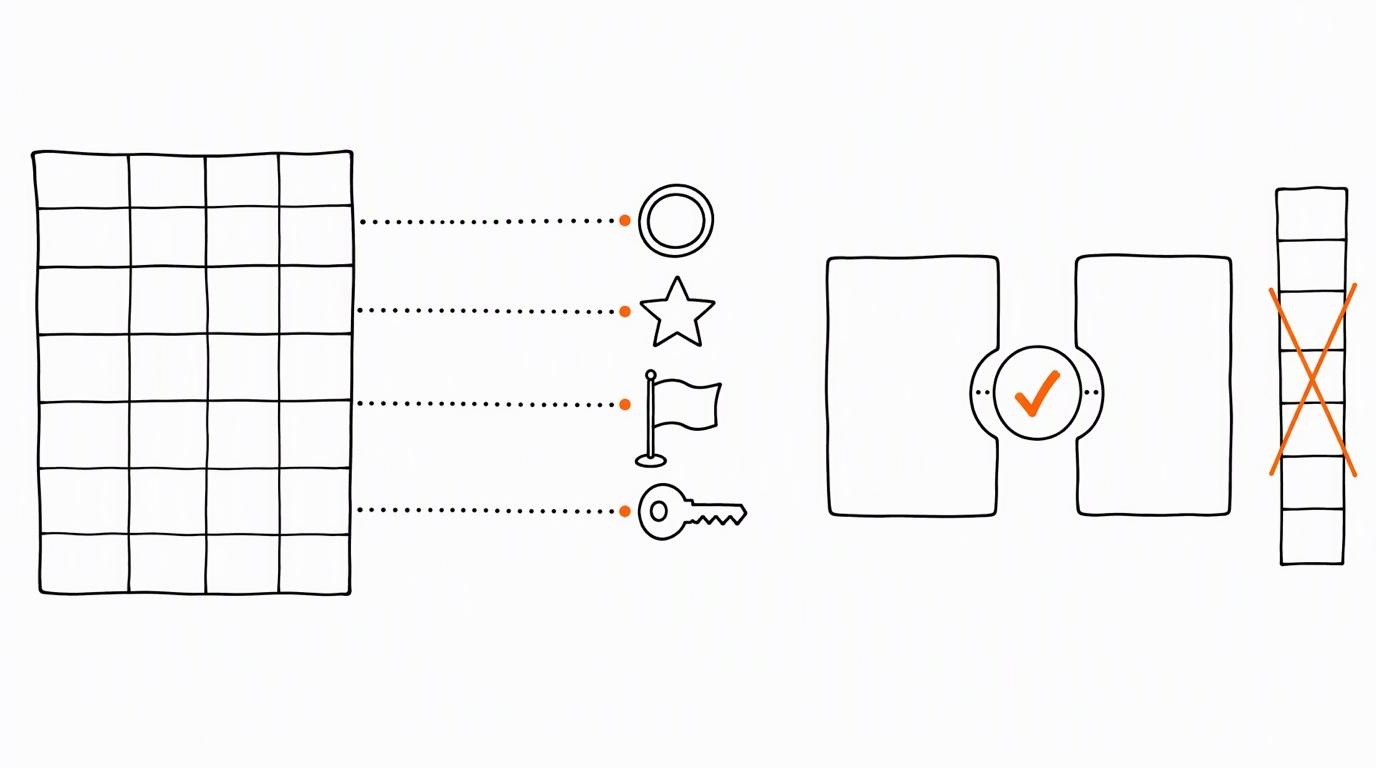
Event Schema Contract: The Field List a Client Must Agree Before Development
A custom conversion path fails in meetings long before it fails in code. Here is the artifact that ends those meetings: the field list, four states of requiredness instead of one column, the semantics each row must carry and the questions the data owner answers in writing.

FTD Custom Event: Deposits as Optimization Signals
Registrations tell the platform someone signed up; deposits tell it someone paid. This guide wires deposits and first-time deposits into your ad platforms as custom events - tracker statuses, the standard-versus-custom choice, custom conversions for optimization, deposit value, and the timing rules that decide whether a late deposit still counts.

Pixel Warming Without Burning Budget: A Practical Sequence
Warming is not a ritual - it is an ordering problem. Verify delivery before spend, feed clean well-attributed events while the baseline forms, and scale on evidence. This guide turns pixel warming into the sequence buyers actually follow, with the platform documentation behind each step and the affiliate-specific twists of warming a pixel you feed by postback.

Pinterest Conversions API: The Complete Guide
A single entry point into the Pinterest Conversions API cluster: what the API covers, what a working event needs, how deduplication and Event Quality Score fit together, and where each specific problem has its own deep-dive.
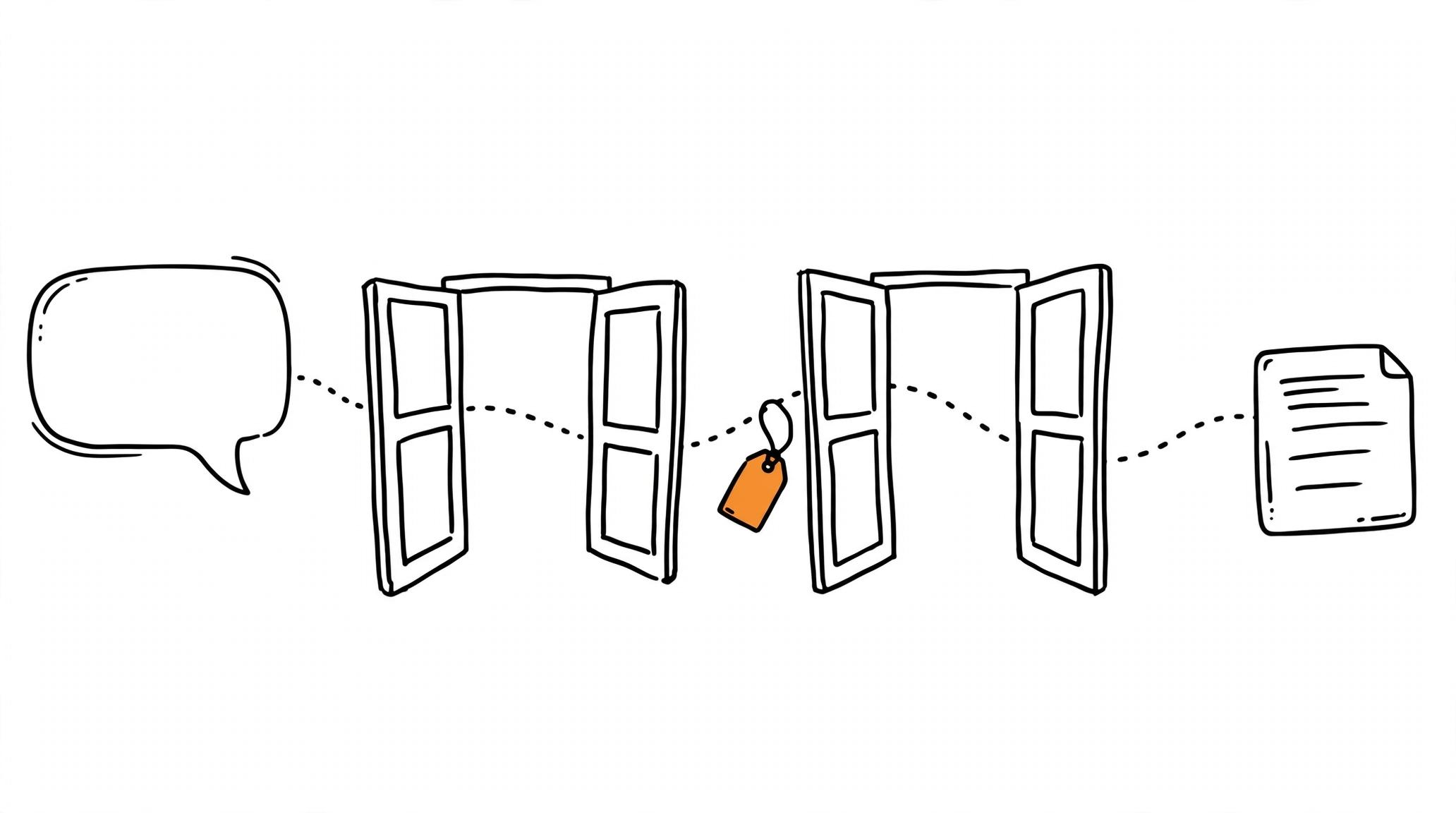
ChatGPT Ads Click ID (oppref): The Thread Your Attribution Hangs On
Every ChatGPT Ads click carries an oppref parameter, and click-level attribution is most reliable when that reference survives to your measurement - here is the full chain.
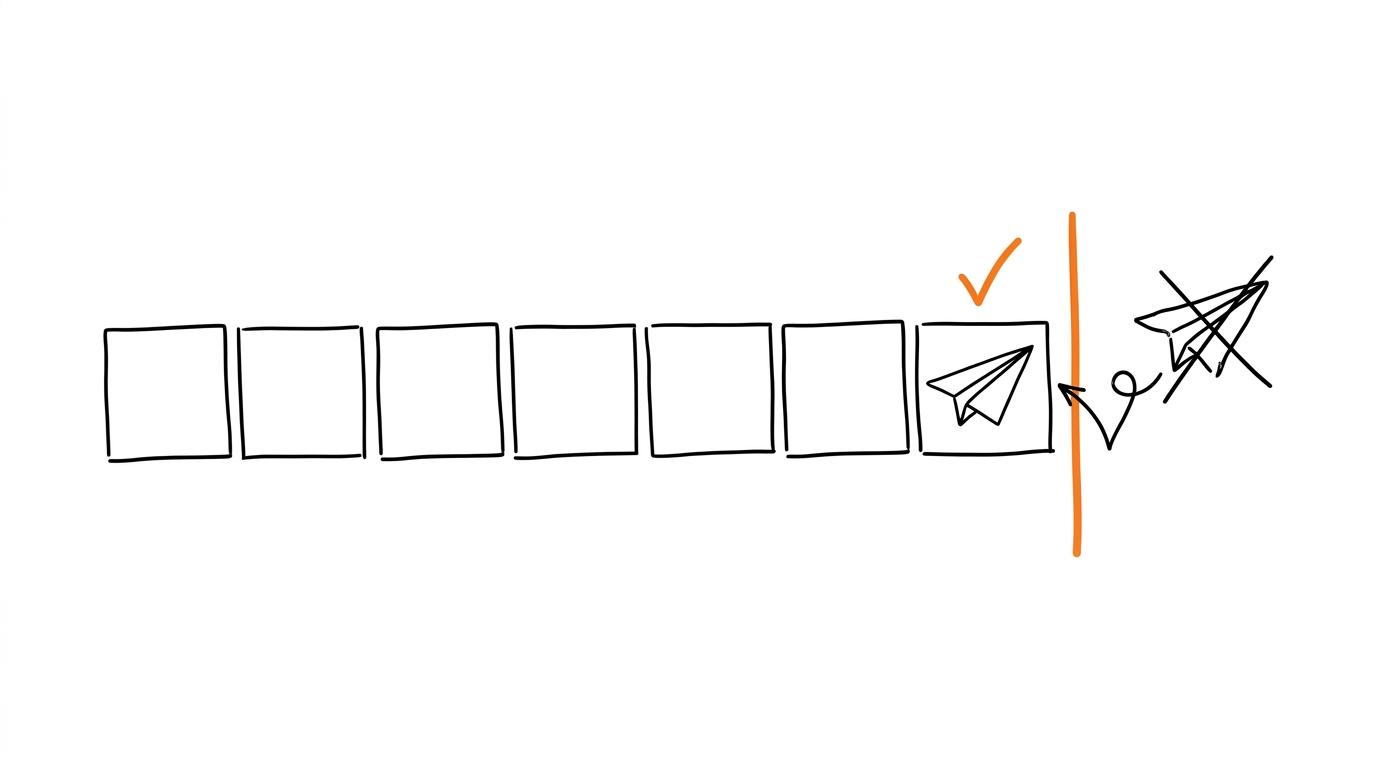
Facebook CAPI Error 2804003: How to bypass the 7-day limit
A practical guide on resolving the Facebook CAPI error 2804003. We break down why old conversions are blocked and how to use Time Clamping for safe pixel warming.

Binom Postback: Conversion Delivery to Ad Platforms
Binom's postback contour follows one rule: the {clickid} token goes out with every click, and the network returns it in a postback so the tracker can match the conversion. This guide walks the contour end to end - the postback v2 URL and its parameters, statuses and upsell sums, currency - and then the delivery hop that turns matched conversions into Conversions API events.

TikTok Events API Error Codes: What They Mean and How to Fix Them
Every TikTok Events API error code you will meet in production, what the response body tells you, and the fix for each - from permissions to rate limits.
Meta CAPI Offline Conversions: Lead Status Updates From CRM and Tracker
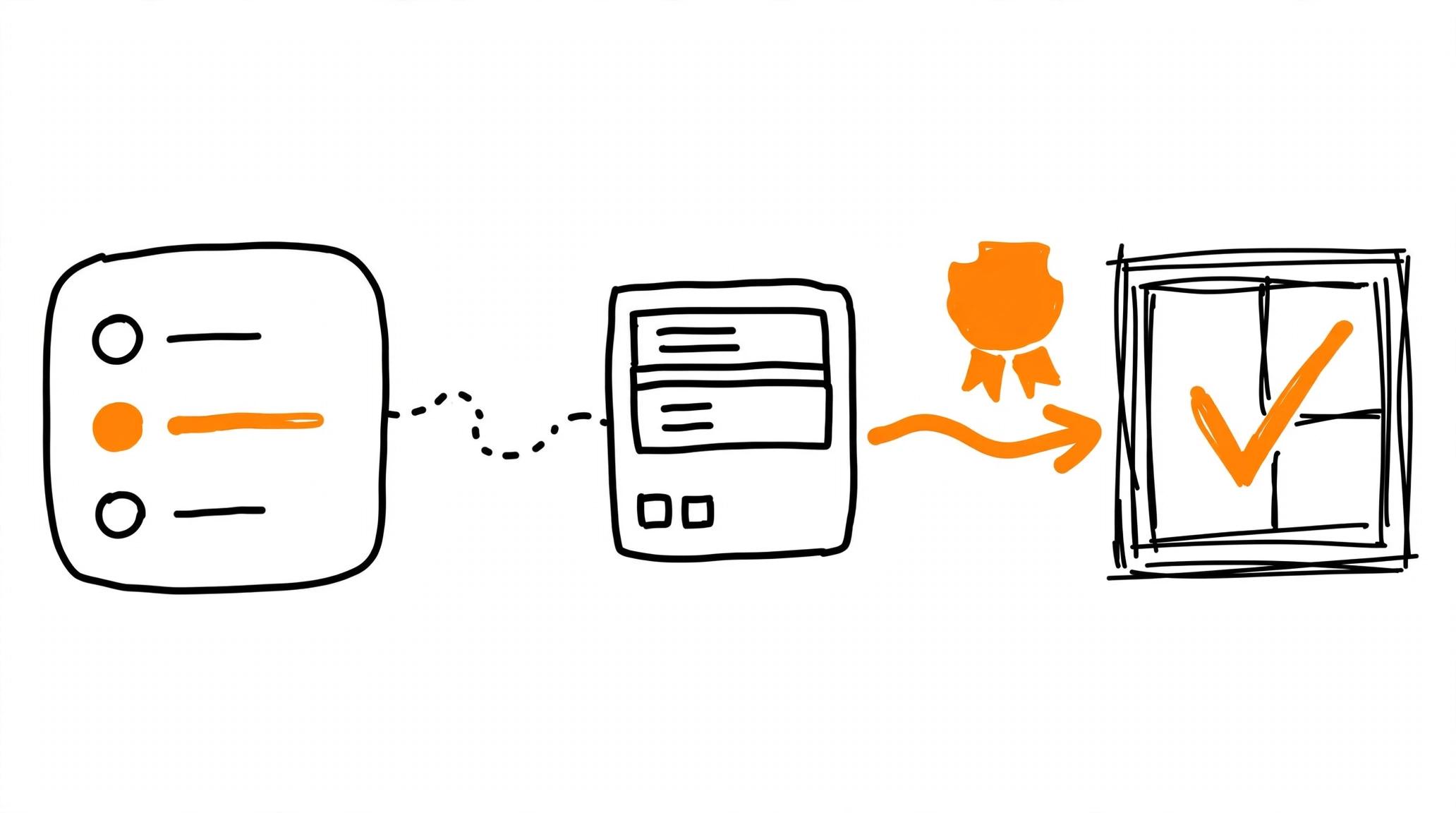
The legacy Offline Conversions API is retired. Datasets through the Conversions API carry lead statuses to Meta - here are the documented rules and windows.

Facebook CAPI Keitaro setup guide without losing conversions
A step-by-step breakdown of the Keitaro and Facebook Conversions API integration: the built-in module, a manual postback build, the fbc-from-fbclid format, deduplication, and Event Match Quality.

Keitaro vs Binom vs Voluum vs RedTrack: Full Comparison for Media Buyers
A side-by-side comparison of four affiliate trackers: self-hosted versus cloud hosting, current pricing pages, event limits, Meta CAPI and TikTok Events API support, postback mechanics, and clear scenarios for choosing between them without overpaying.
Meta Conversions API: The Complete Guide
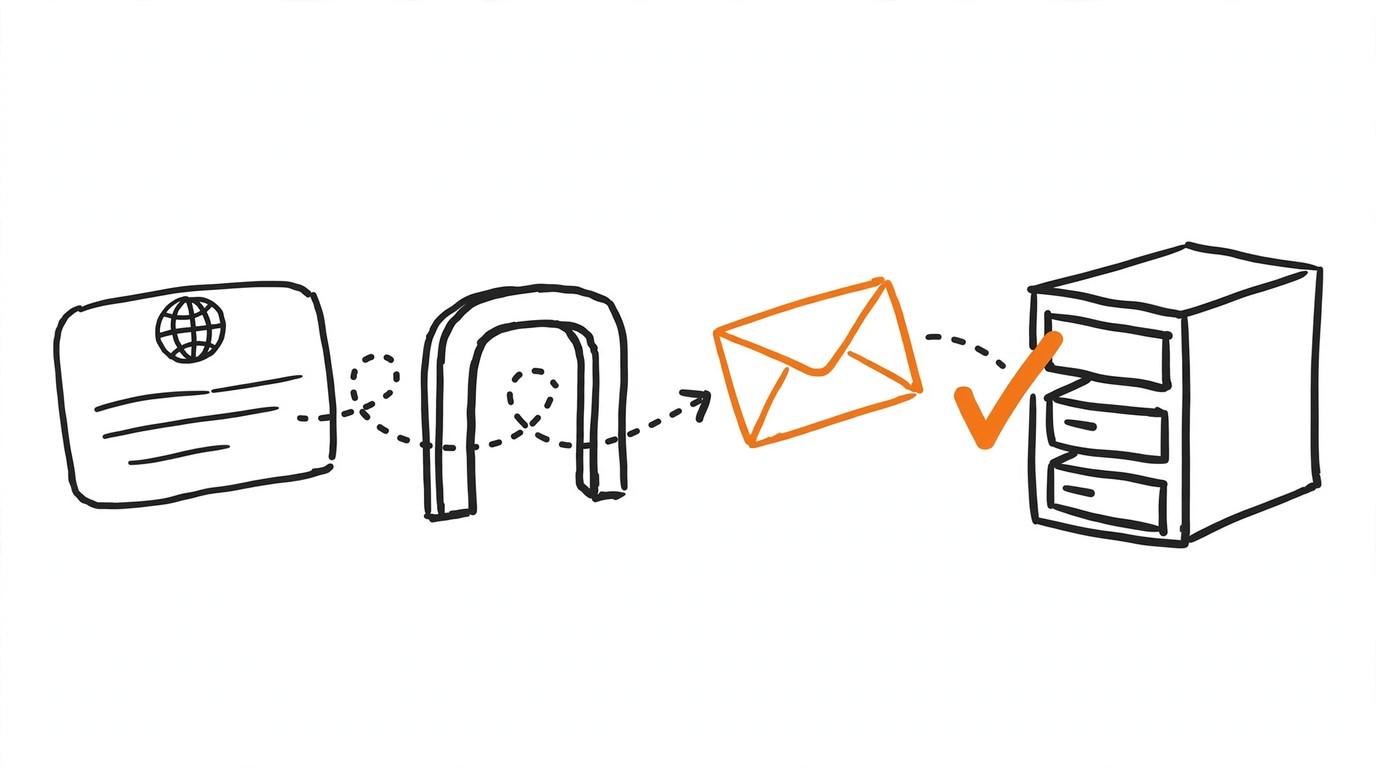
A single entry point into the Meta Conversions API cluster: what the API does, which credentials and parameters a working event needs, how deduplication and validation fit together, and where each specific failure - a late event, a double count, an error code - has its own deep-dive guide.
Binom Facebook CAPI Integration: From Tracker Postback to Conversions API
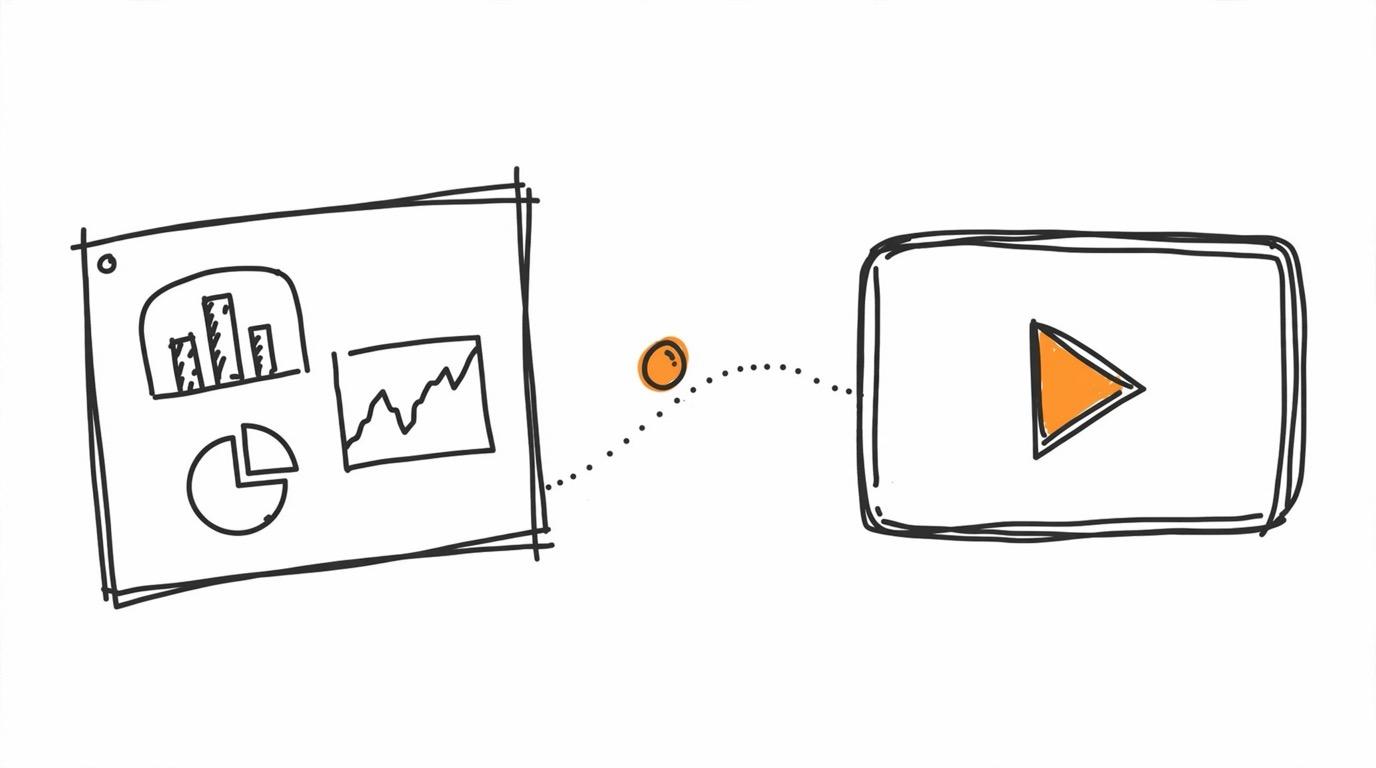
Binom tracks the conversion; Meta's Conversions API needs a server event. Here is the documented architecture that connects the two without guesswork.
Send Snapchat Conversions API events with Pixel Activator
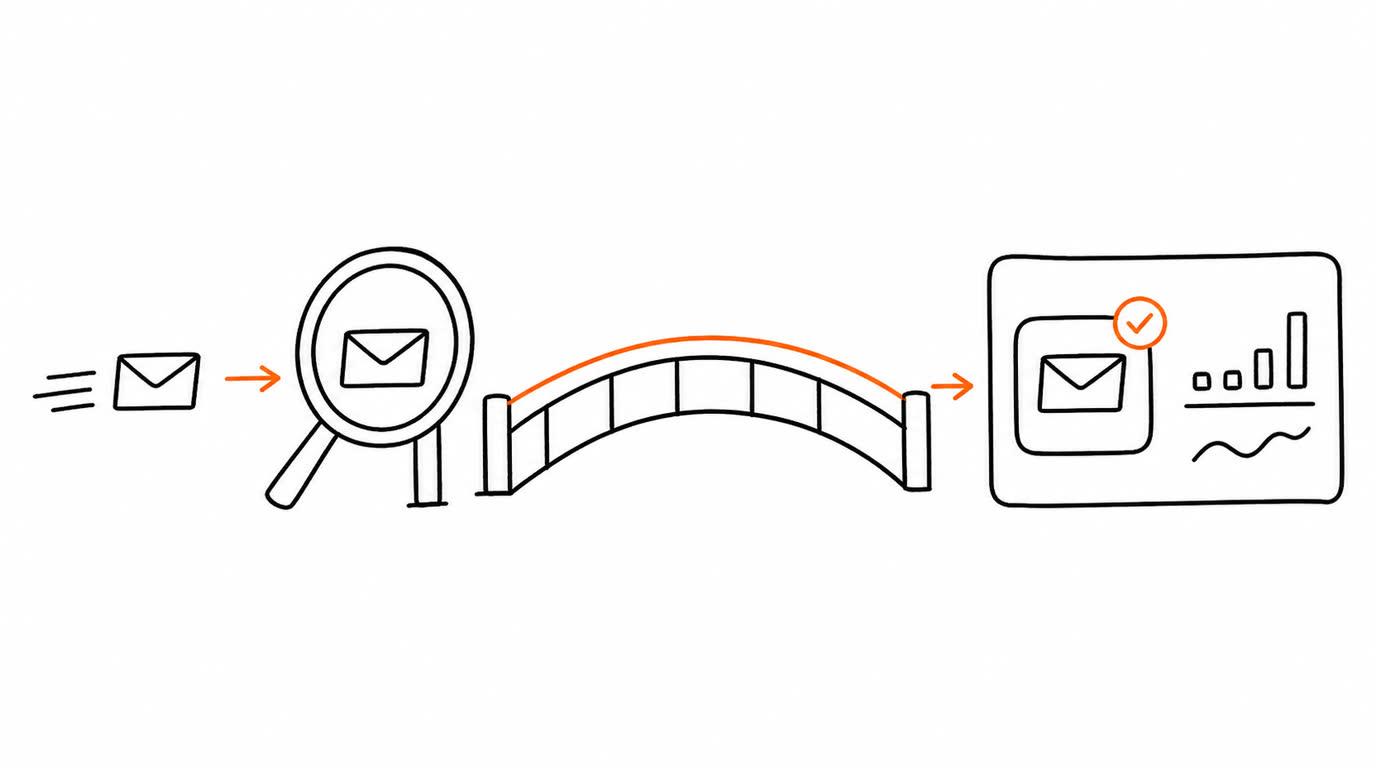
Verify Snapchat Conversions API credentials and a first event with Pixel Activator before connecting a recurring sender. Confirm the web Pixel ID, keep the long-lived CAPI token secret, send one meaningful event with permitted matching data, and inspect platform diagnostics before automation.
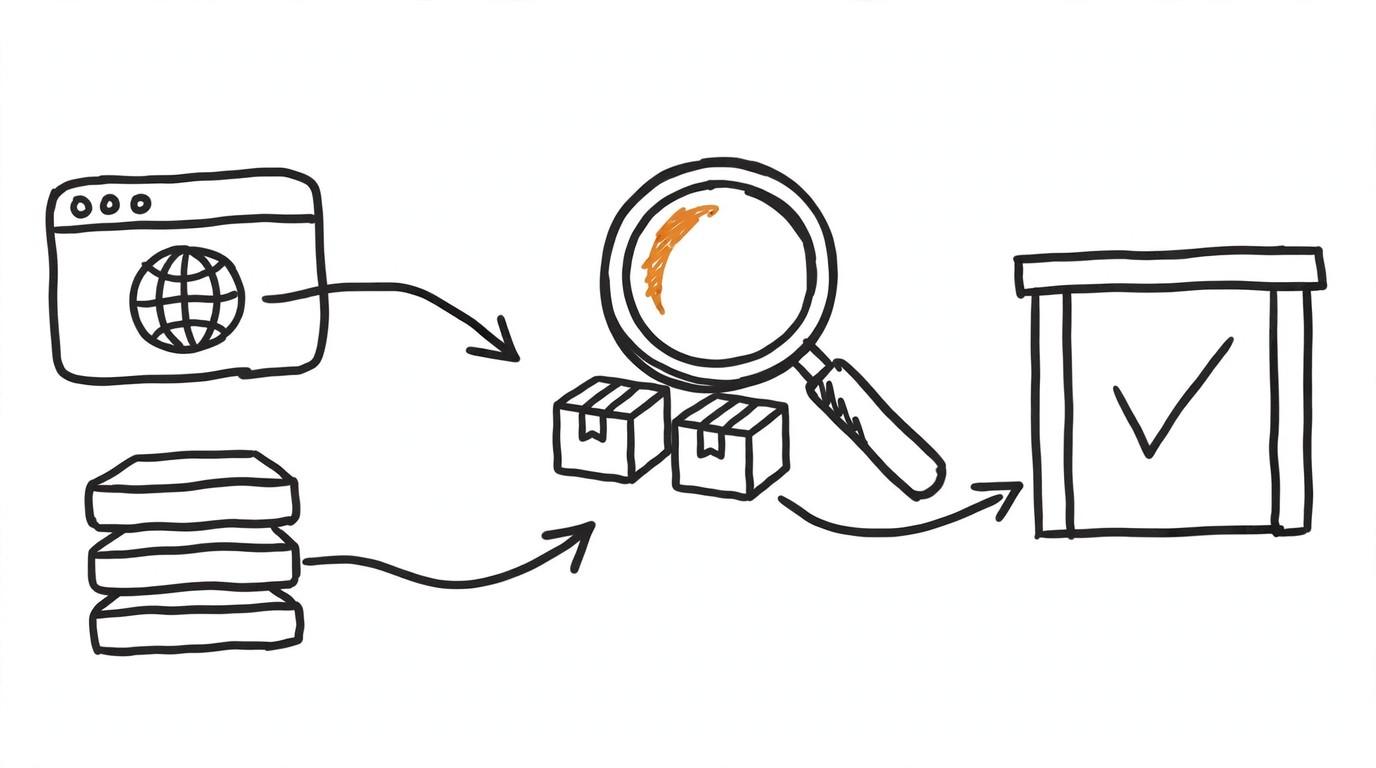
Meta Test Events Tool: How to Validate Pixel and CAPI Events Before Scaling
A practical walkthrough of the Meta Test Events tool: confirm that browser and server events fire correctly in Events Manager, read event statuses and error codes, fix issues and verify deduplication before spending budget.

Share Pixel Ad Accounts: One Pixel Across Business Portfolios
One pixel, several ad accounts, maybe another business entirely - and Meta has a documented path for each hop. This guide walks the legitimate sharing contour: only the owning portfolio can share, partners get access through Assign Partners, and ad accounts receive the pixel through connected assets - plus what each side keeps and what the sharing does not change.