Guides
Help center for Most conversion automation and pixel activation.
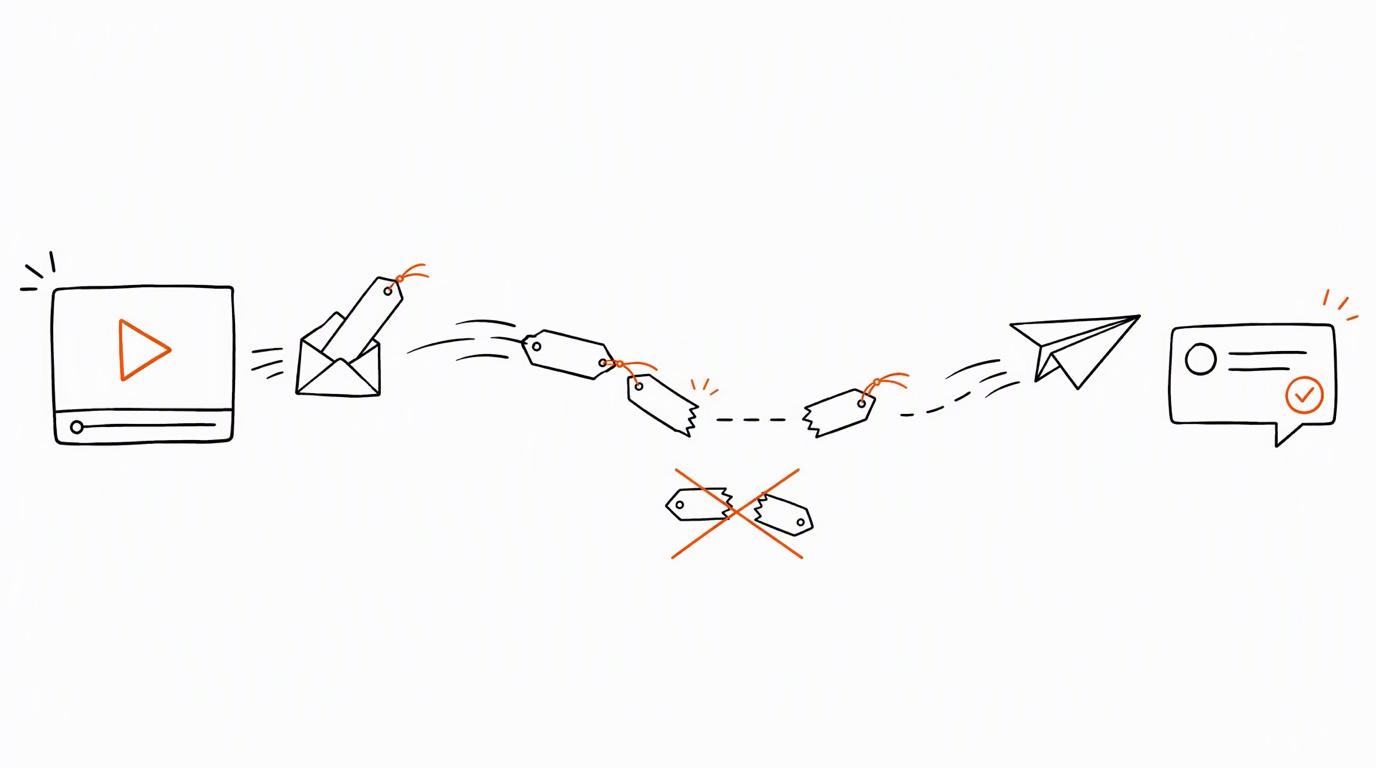
Demand Gen attribution across a Telegram handoff
A campaign placement, a Telegram destination and a conversion import are separate parts of the route. Connect them with observed records instead of assuming identifiers survive.

How a partner postback connects to a Telegram route
A received callback can still have an unknown identifier or an unmapped status. Trace one transaction through separate records before changing the campaign.
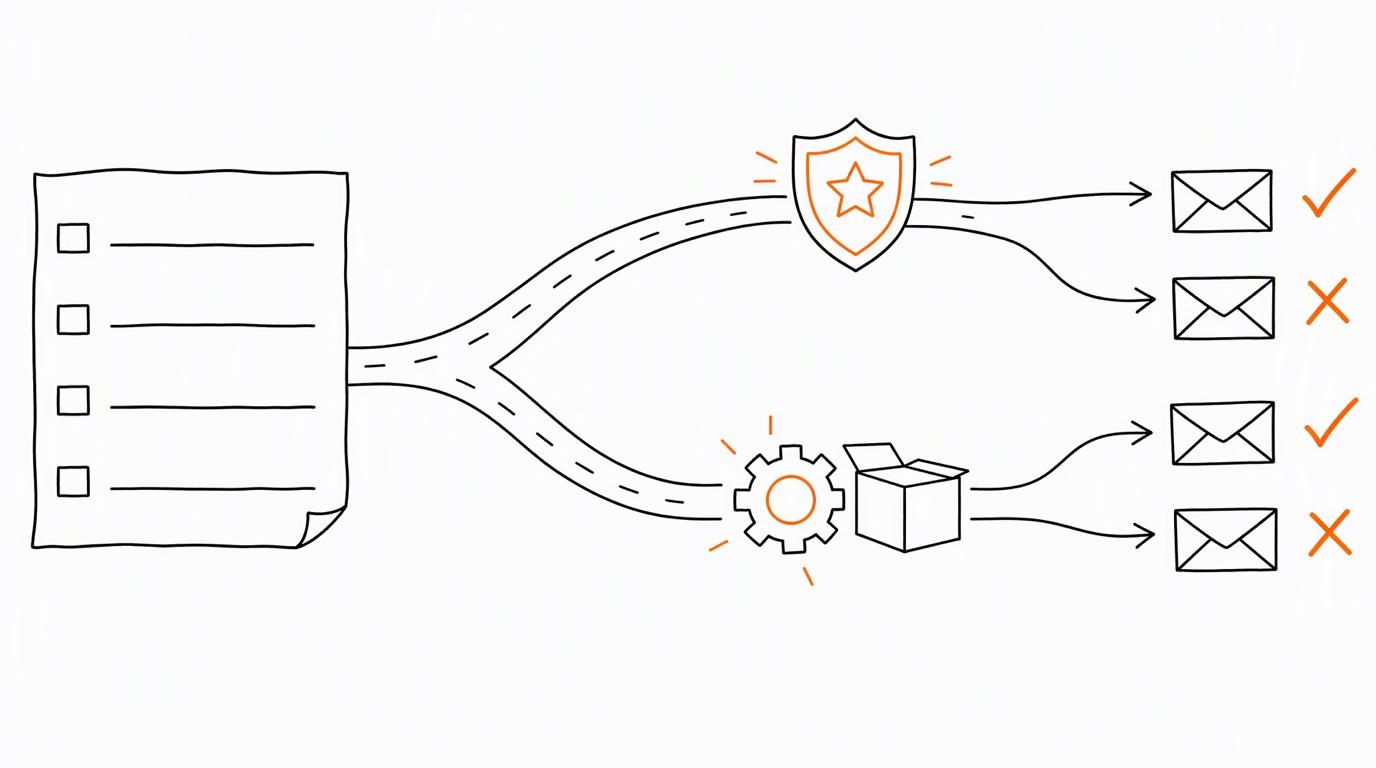
Managed Versus Self-Hosted Integration: Four Questions a Contract Must Answer
Comparing a managed integration with a self-hosted one means reading obligations, not brands: where the click and sent-event records live, who applies updates, which support text exists in the agreement, and why a published $55 per month and a price of Custom cannot be divided into each other.
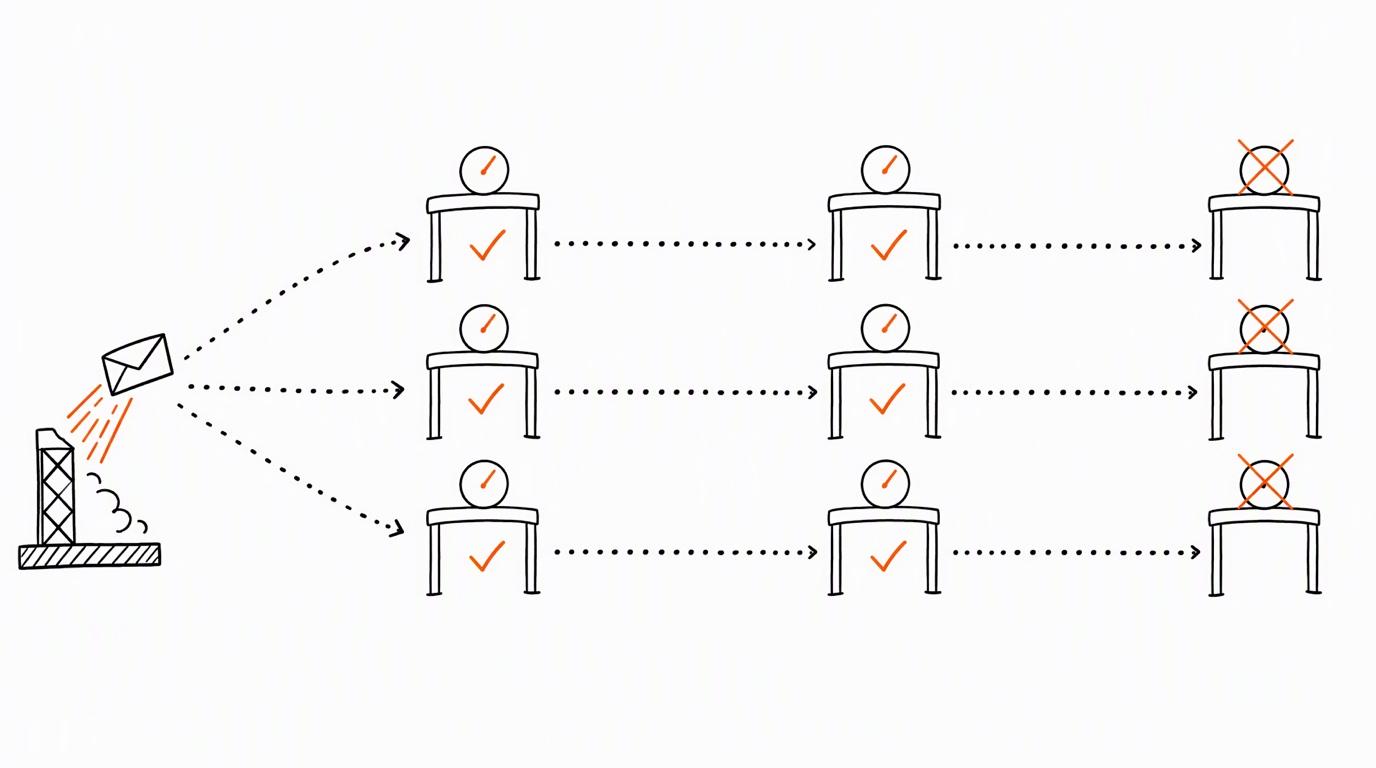
Multi-Destination Conversion Test: Sent, Accepted and Recorded Are Three Facts
A multi-destination conversion test leaves a separate receipt for each platform. Record the request, response and test mode, then check the destination evidence. The procedure distinguishes acceptance from storage, matching and attribution.
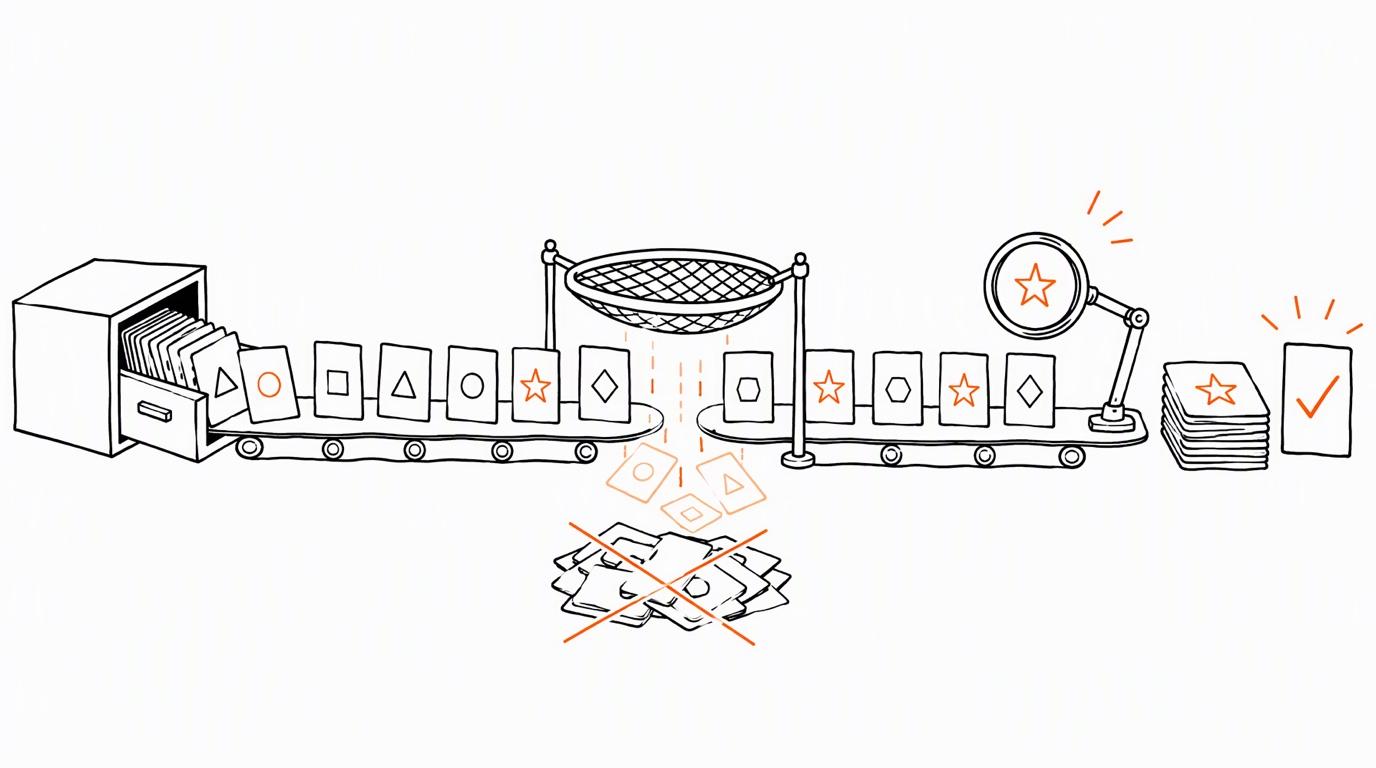
Legacy Tracker Data Migration: What Survives the Export
Before any cutover date is written down, one question decides the whole migration: what can a legacy tracker export still carry per row. Click keys, time bases and links the source already lost are three separate inventories, and the side-by-side feed compares them row by row.
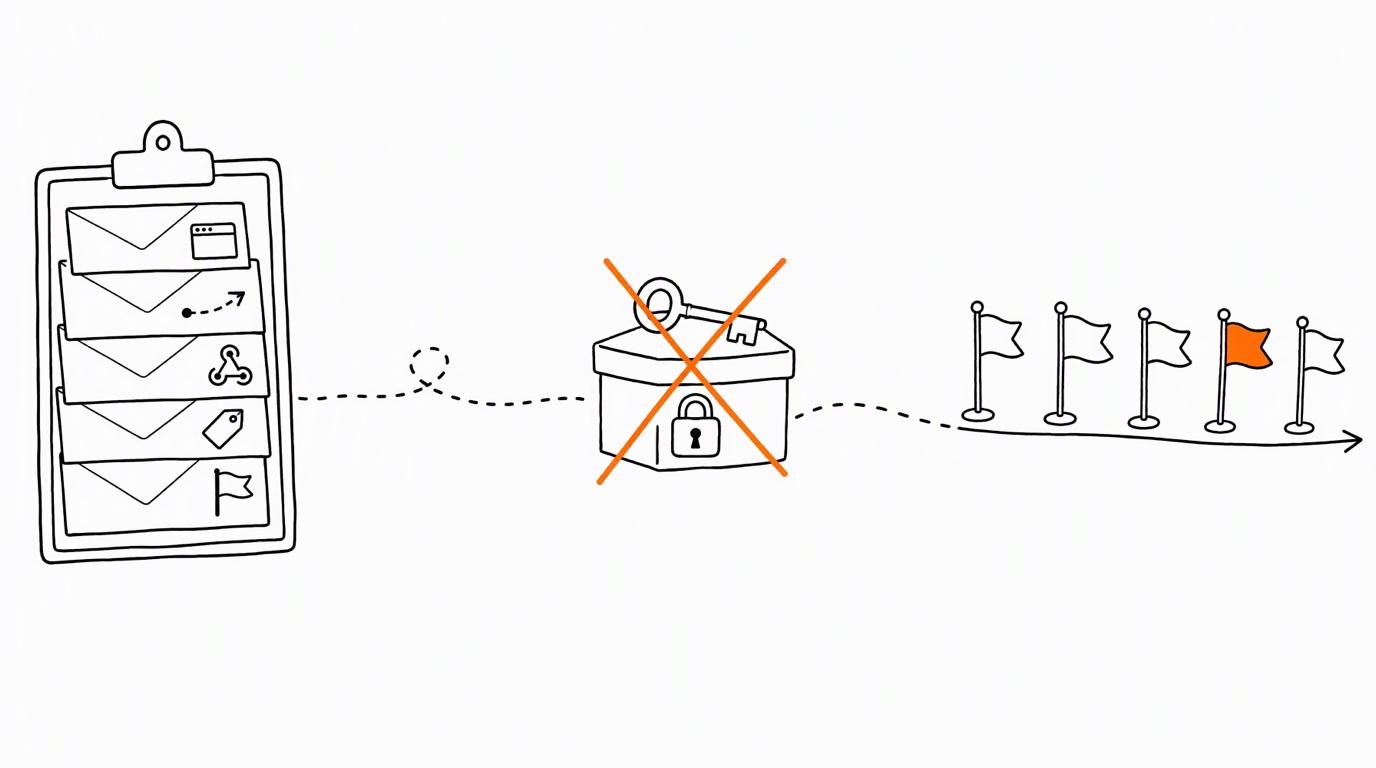
Conversion Path Brief: What the Contractor Needs Before Work Starts
A conversion path brief is what the customer hands to the contractor before any integration work starts: five mandatory input sets, no credentials in the text, and four separate acceptance lines so sent, accepted, counted and attributed never get signed off as one.
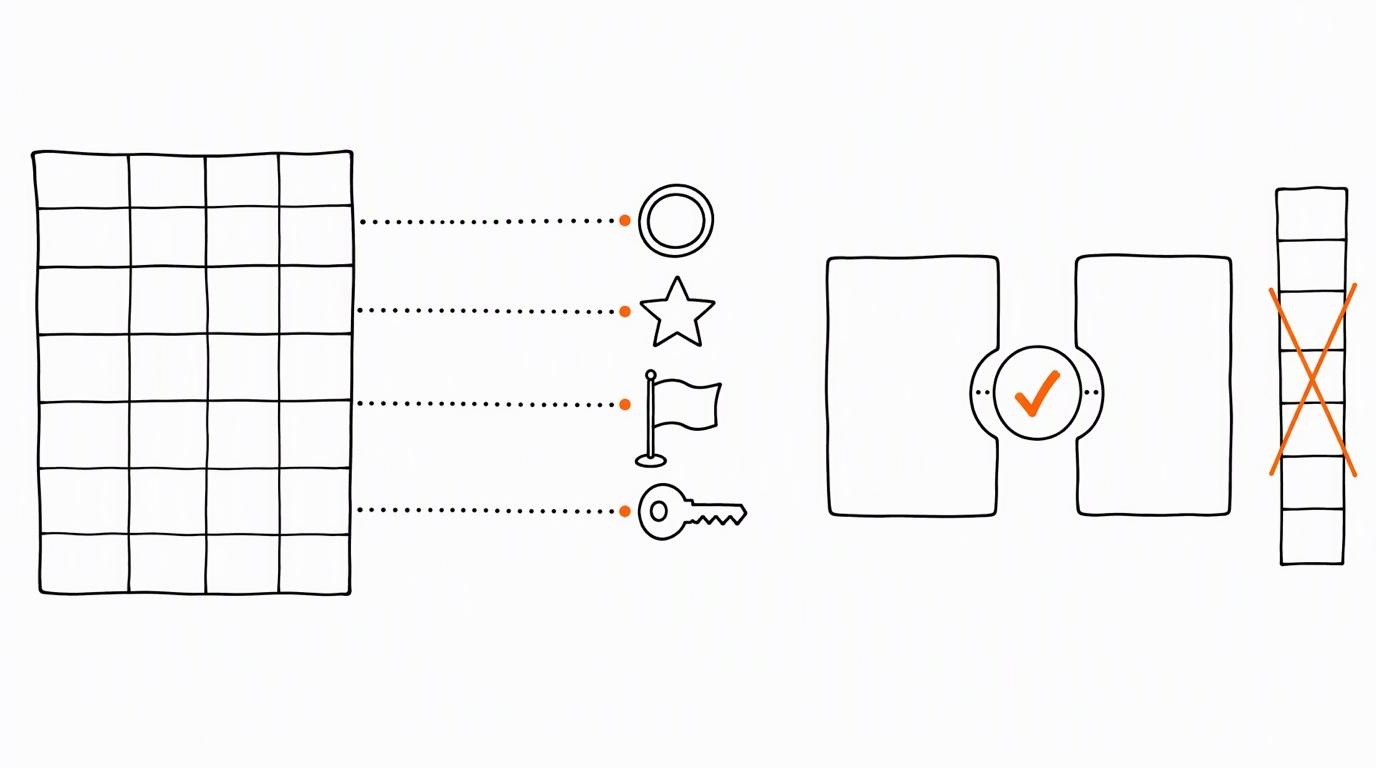
Event Schema Contract: The Field List a Client Must Agree Before Development
A custom conversion path fails in meetings long before it fails in code. Here is the artifact that ends those meetings: the field list, four states of requiredness instead of one column, the semantics each row must carry and the questions the data owner answers in writing.
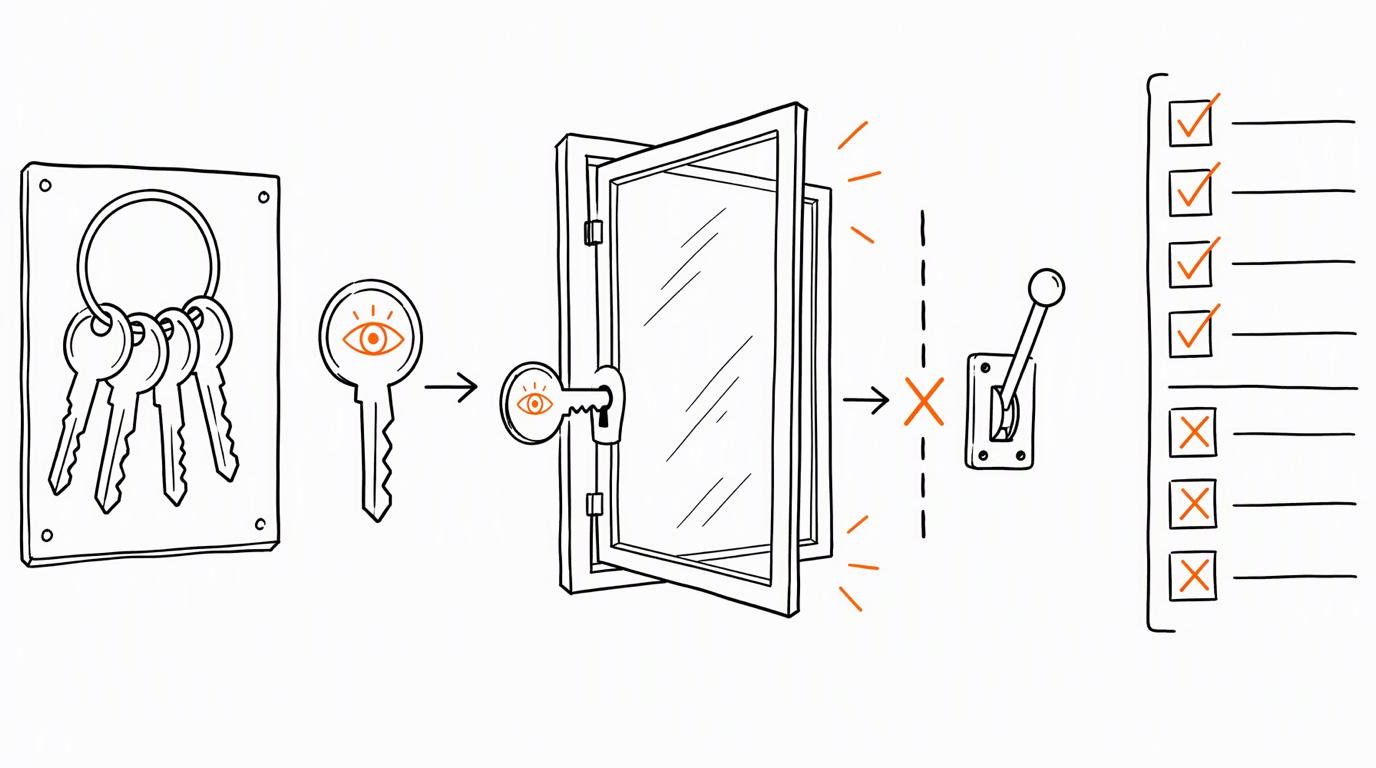
Audit scope with google ads read-only access
An audit needs a list of resources and permitted checks. A read-only label in one product does not grant access to another product or establish every screen's visibility.