Официальные руководства и глоссарий для платформы Most и Активатора пикселей.
Guides by Most Team
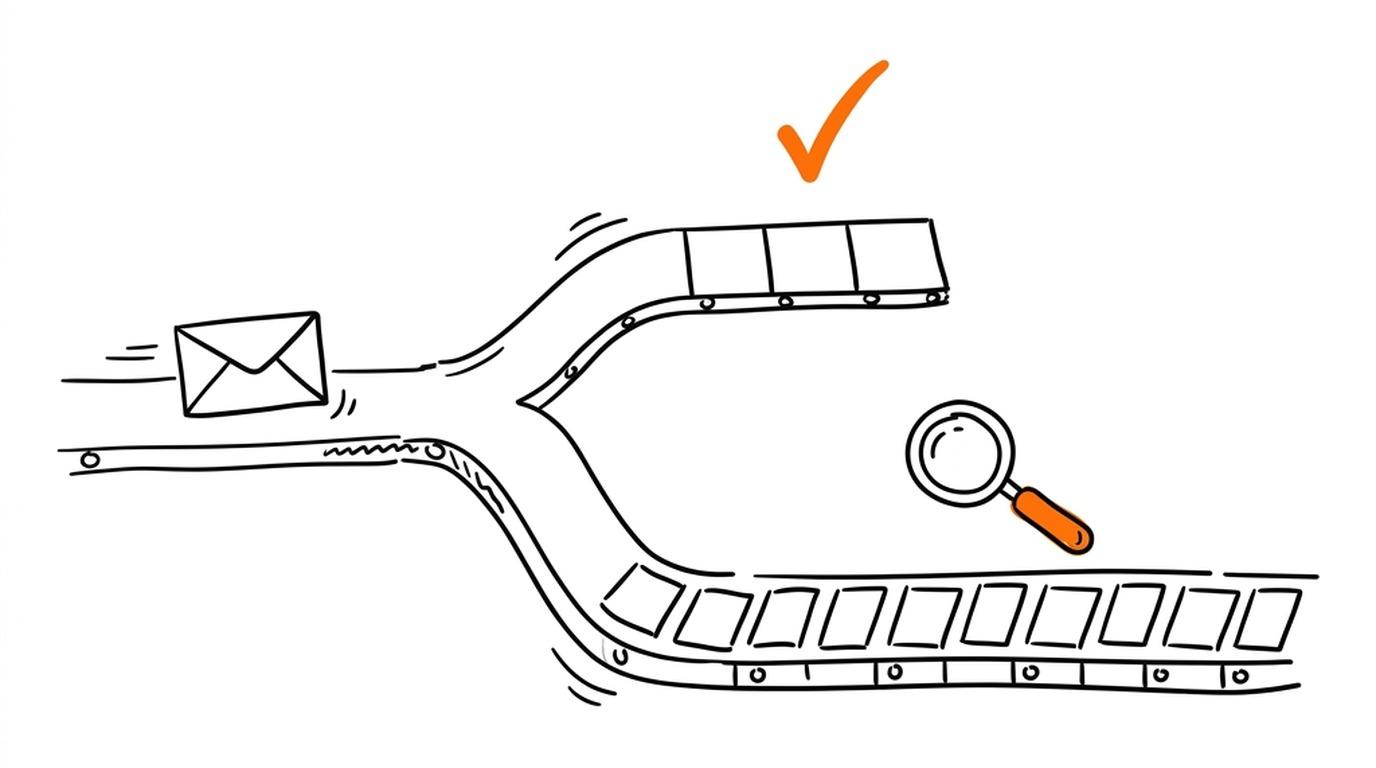
Google Consent Mode gcs/gcd Parameters: Full Decoding Guide
Google tags report consent state on every hit through two query parameters: gcs and gcd. Google documents what they are for but not how gcd is encoded, so the decoding matrix comes from reverse engineering. This guide assembles the official G1-- table, the 12-character gcd layout, and all nine consent letters.
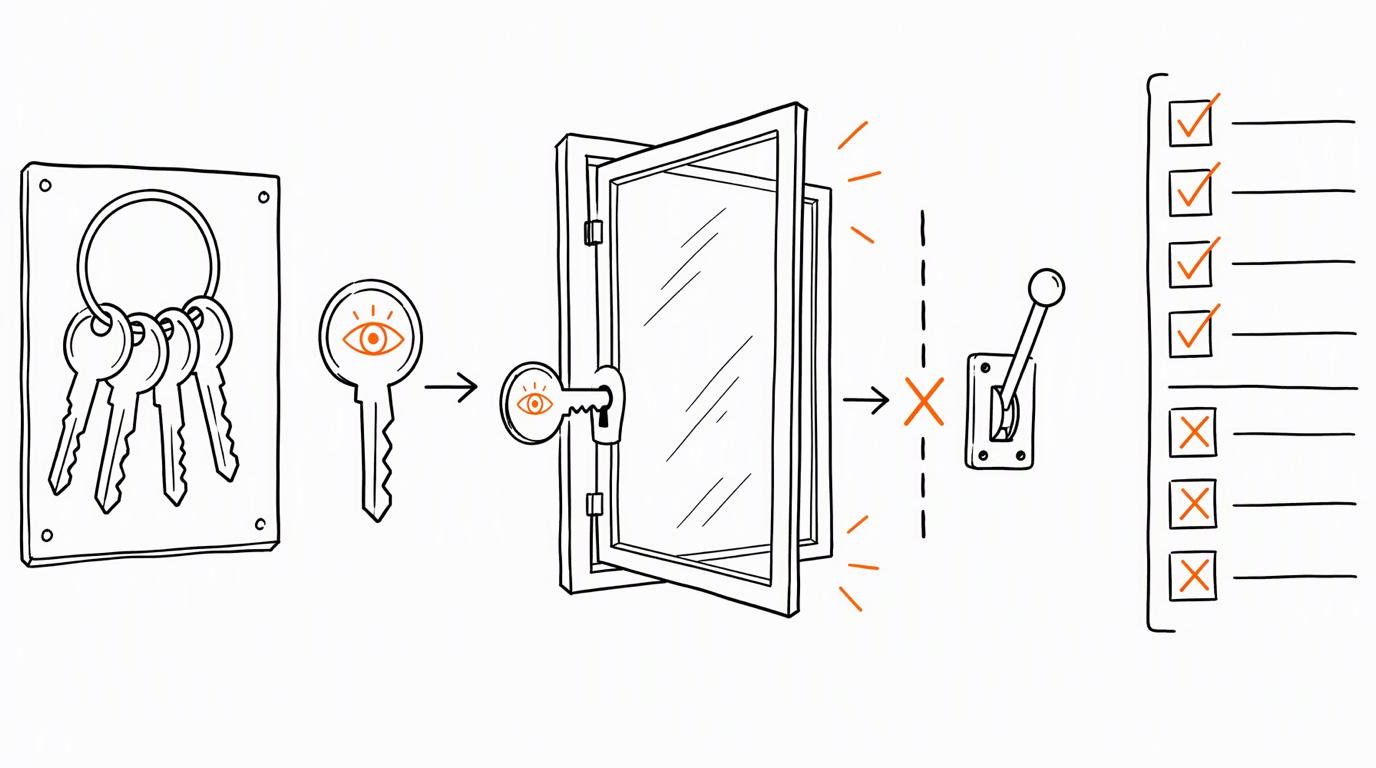
Audit scope with google ads read-only access
An audit needs a list of resources and permitted checks. A read-only label in one product does not grant access to another product or establish every screen's visibility.

Implement first-party data consent in server-side delivery
A server queue does not automatically know a visitor's current choices. Keep the decision record, event and destination policy connected so each send can be explained.

Preserve event time through queues and time zones
A timestamp can be validly formatted and still describe the wrong moment. Compare source, queue and payload values before blaming a reporting window.

Demand Gen attribution across a Telegram handoff
A campaign placement, a Telegram destination and a conversion import are separate parts of the route. Connect them with observed records instead of assuming identifiers survive.

How a partner postback connects to a Telegram route
A received callback can still have an unknown identifier or an unmapped status. Trace one transaction through separate records before changing the campaign.

Managed Versus Self-Hosted Integration: Four Questions a Contract Must Answer
Comparing a managed integration with a self-hosted one means reading obligations, not brands: where the click and sent-event records live, who applies updates, which support text exists in the agreement, and why a published $55 per month and a price of Custom cannot be divided into each other.
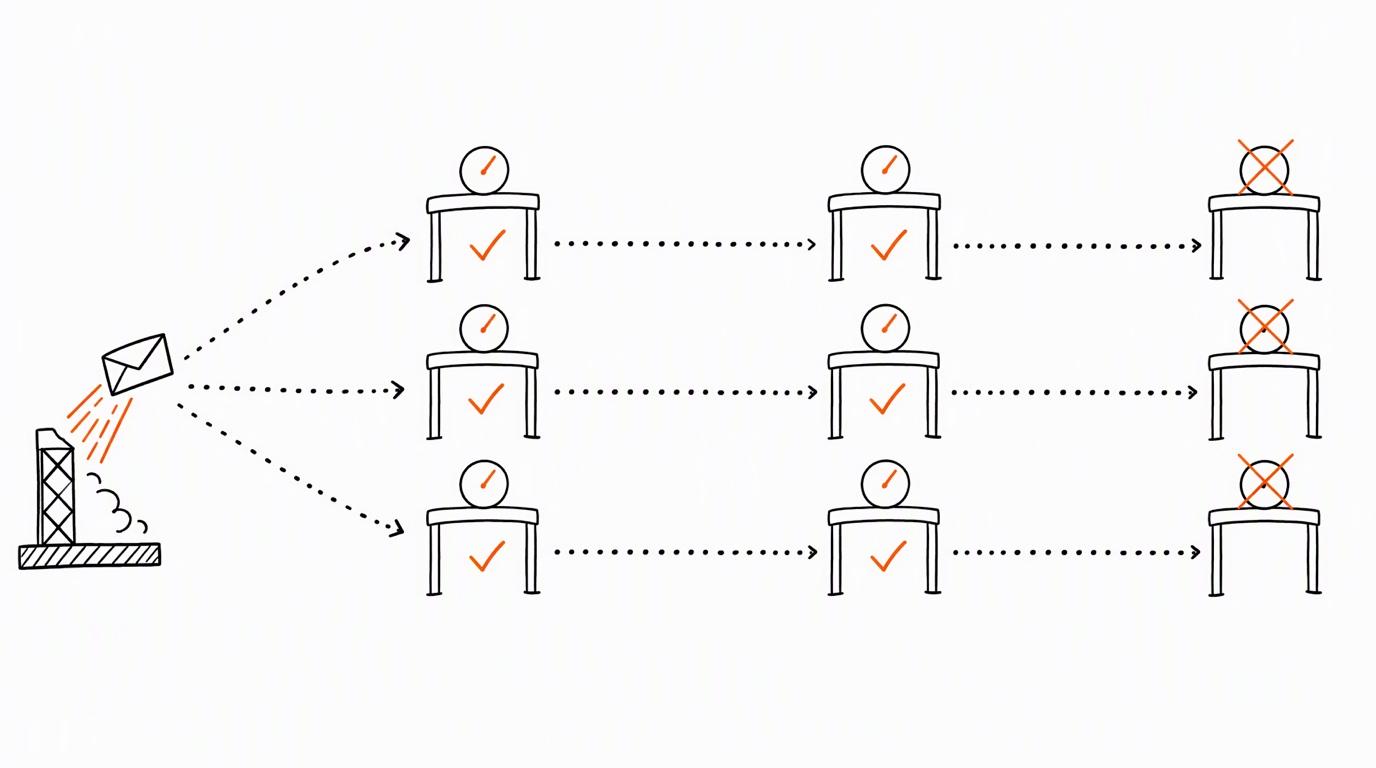
Multi-Destination Conversion Test: Sent, Accepted and Recorded Are Three Facts
A multi-destination conversion test leaves a separate receipt for each platform. Record the request, response and test mode, then check the destination evidence. The procedure distinguishes acceptance from storage, matching and attribution.

Legacy Tracker Data Migration: What Survives the Export
Before any cutover date is written down, one question decides the whole migration: what can a legacy tracker export still carry per row. Click keys, time bases and links the source already lost are three separate inventories, and the side-by-side feed compares them row by row.
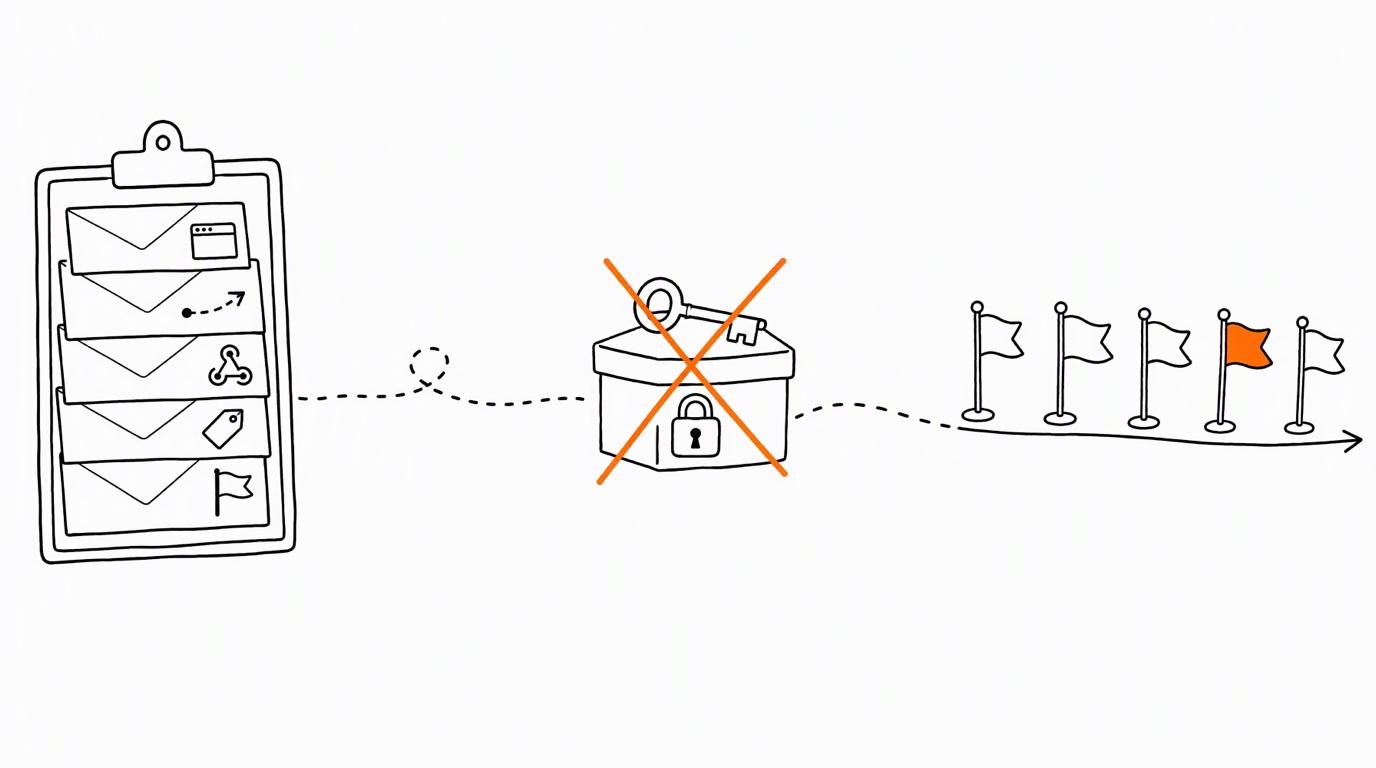
Conversion Path Brief: What the Contractor Needs Before Work Starts
A conversion path brief is what the customer hands to the contractor before any integration work starts: five mandatory input sets, no credentials in the text, and four separate acceptance lines so sent, accepted, counted and attributed never get signed off as one.
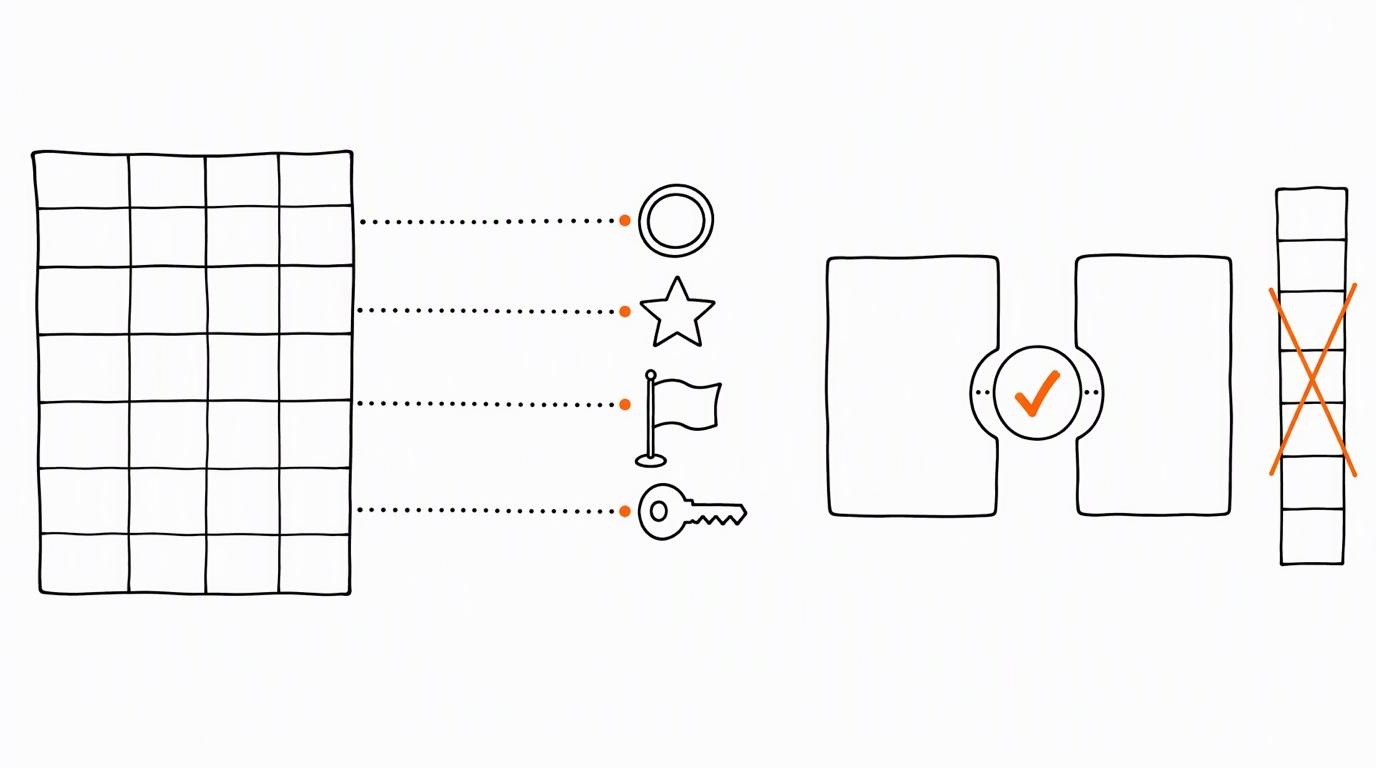
Event Schema Contract: The Field List a Client Must Agree Before Development
A custom conversion path fails in meetings long before it fails in code. Here is the artifact that ends those meetings: the field list, four states of requiredness instead of one column, the semantics each row must carry and the questions the data owner answers in writing.

Meta CAPI Batching and Rate Limits: The Delivery Rules
The Conversions API accepts several events in one request - and one bad event can fail the whole batch. This guide covers the documented batching structure, the acceptance rules that decide whether a request survives, what a rejected batch means for retry logic, and the delivery discipline that keeps a busy funnel inside the platform's limits without guessing at undocumented numbers.

Lead Ads CRM CAPI: Closing the Lead Loop in Meta
A Lead Ads form fills your CRM; the lead that actually buys is the one worth telling Meta about. This guide wires the loop: from the form's instant delivery into your CRM, through confirmation and hashing, to a documented CAPI lead event - with dedup and the seven-day window deciding how late a confirmed lead can still count.

Limited Data Use Meta: data_processing_options in Server Events
Meta's Limited Data Use flag exists so your server events can carry a US state-privacy signal - and it is three documented fields inside each event. This guide explains what data_processing_options does, the exact LDU values and country and state codes, the empty-array semantics most setups miss, and when sending the flag is the right call.

Value Optimization Meta: What Belongs in value and currency
Value-based optimization can only optimize toward the numbers you transmit - and Meta documents exactly what those numbers must look like. This guide covers the value and currency fields of purchase events: the documented requirements, the formatting that keeps them usable, the mistakes that quietly zero out optimization, and the edge cases buyers hit in affiliate funnels.

Share Pixel Ad Accounts: One Pixel Across Business Portfolios
One pixel, several ad accounts, maybe another business entirely - and Meta has a documented path for each hop. This guide walks the legitimate sharing contour: only the owning portfolio can share, partners get access through Assign Partners, and ad accounts receive the pixel through connected assets - plus what each side keeps and what the sharing does not change.

Meta Domain Verification: What It Proves and What It Enables
Domain verification is Meta's way of checking that you actually control the domain your campaigns point at - and it decides who may edit how your links appear. This guide covers what verification proves, the two documented methods, the link-editing control it unlocks, and an honest note on where the old AEM event priorities stand today.

FBC FBP Construction: Building _fbc and _fbp by Hand
Server-side events never see the browser's cookies - so buyers construct the _fbc and _fbp values by hand from the data captured at click time. Done right, the format is simple; done wrong, a malformed value silently weakens matching. This guide covers the cookie formats, the fbc-from-fbclid construction, what travels hashed versus unhashed, and the mistakes that break matching.

Tracker Migration Without Losing Conversions
Changing trackers is easy; changing them mid-flight is not. Every click already sent to the old tracker expects its postback at the old address, and every platform window keeps running. This guide lays out the migration order that loses nothing: parallel running, postback continuity, cutover sequencing, and the checks that close each stage.

Voluum S2S Tracking: The Postback Contour From Click to Platform
Voluum's S2S contour is one loop: a token rides the click to the offer, and the affiliate network returns it in a postback whose cid parameter carries the value back home. This guide walks the loop - token propagation, the postback URL, platform integrations - and the verification that proves every conversion completes the circuit.

RedTrack Conversions API: One Conversion, Several Platforms
One click, several ad platforms that deserve to hear about its conversion. RedTrack's CAPI integrations make that a configuration job rather than a coding one: the clickid token matches conversions through S2S postbacks, and each platform integration maps those conversions into its own events. This guide walks the multi-platform setup with the documented fields, matching rules, and dedup pitfalls.

Binom Postback: Conversion Delivery to Ad Platforms
Binom's postback contour follows one rule: the {clickid} token goes out with every click, and the network returns it in a postback so the tracker can match the conversion. This guide walks the contour end to end - the postback v2 URL and its parameters, statuses and upsell sums, currency - and then the delivery hop that turns matched conversions into Conversions API events.

Keitaro Macros: The S2S Postback and Sub ID Reference
Every Keitaro S2S postback is a template, and the placeholders are its vocabulary. This reference collects the documented macros in working groups - identifiers, money, statuses with mappings, timestamps, campaigns and offers, geo and device - plus the sub ID fields and the encoding and currency rules that keep substituted URLs intact.

Keitaro Cost Import: Facebook Ad Spend Into Your Tracker
ROI without imported spend is a guess. Keitaro's Facebook Costs integration pulls ad spend straight from your ad account into tracker reports - and this guide wires it end to end: the integration fields, the {{adset.id}} parameter requirement that silently breaks everything when missing, the Marketing API token, the update schedule, and the troubleshooting list.

Keitaro Conversion Status: What to Do With Each
Every Keitaro conversion carries a status - and the status decides what leaves the tracker, what reaches the platform, and what only lives in reports. This guide walks the documented status list, the transition rules that keep records honest, the status-to-event mapping that feeds your pixels, and the correction each status allows.

Keitaro S2S Postback: Setup From Scratch
The S2S postback is the exit through which every Keitaro conversion reaches a traffic source or an ad platform - and its setup decides what leaves the tracker and what stays behind. This guide builds the setup from an empty campaign: postback URL anatomy, the placeholders that matter, status-based routing, queue behavior, and the log checks that prove each delivery.

Pixel Disabled Diagnostics: Reading the Data Side
The pixel looks dead - or the account shows a restriction - and the temptation is to guess. This guide walks the data side instead: what Events Manager and Test Events can prove, how to separate a delivery failure from a quality problem, which fixes restore correct sending, and what to document while you work.

Bot Traffic Filtering Before It Reaches Your Pixel
A bot that converts into a lead poisons three systems at once: the tracker's reports, the network's approve rate, and the platform's optimization. This guide wires bot traffic filtering before the Conversions API hop - what to filter at the tracker, how the filtered labels flow into your event policy, and how to prove the stream stays clean.

Offer Rotation Tracking: Many Offers, One Pixel, No Mixed Conversions
Rotating three offers through one pixel is safe; rotating them through one event name is not. This guide wires offer rotation tracking so every conversion stays attached to the offer that produced it - click-side labeling, per-offer events and values, custom conversions per offer, and the traps that quietly merge your offers' data.

Tracker ROI vs ROAS: Why the Numbers Never Match
The tracker computes ROI on confirmed payouts; Ads Manager computes ROAS on the revenue value inside the events you sent. Two different numerators over two different denominators - and both are correct. This guide walks every documented reason the money numbers diverge, then gives a reconciliation procedure that separates counting rules from real leaks.

Click ID Prelander Loss: Where Click IDs Die
The platform appends its click ID to the ad URL; three hops later your postback arrives with an empty subid, and nobody can say which hop ate it. This guide walks a prelander funnel hop by hop - redirects, meta refresh, iframes, the offer jump - marking where click IDs survive, where they die, and how tracker-side capture and server-side reconstruction keep attribution alive anyway.

Subscription Conversion Events: Mapping a Recurring Funnel
A subscription funnel produces many money moments - trial start, first payment, every rebill - and one flat Purchase cannot carry them. This guide maps each stage to its event, wires rebill identity through the tracker, handles cancellations, and draws the line between what the platform can attribute and what only your tracker knows.

COD Approve Rate Tracking: Which Event Fires on Confirmation
In COD offers the sale is not real until a call center says so. This guide wires the two-event stream - lead at registration, sale on confirmed approval - through the tracker's statuses, explains how approve rate shapes what you feed the platform, and keeps confirmation lag inside the platform's acceptance window.

FTD Custom Event: Deposits as Optimization Signals
Registrations tell the platform someone signed up; deposits tell it someone paid. This guide wires deposits and first-time deposits into your ad platforms as custom events - tracker statuses, the standard-versus-custom choice, custom conversions for optimization, deposit value, and the timing rules that decide whether a late deposit still counts.

Duplicate Conversions Tracker: Three Systems, Three Numbers
The tracker says 80, the network balance says 74, Ads Manager says 92 - and all three are working as documented. This guide separates genuine duplicate conversions from counting-rule differences, walks the dedup mechanisms each system actually provides, and gives a reconciliation procedure that finds the one real bug hiding among the definitional noise.

Pixel Warming Without Burning Budget: A Practical Sequence
Warming is not a ritual - it is an ordering problem. Verify delivery before spend, feed clean well-attributed events while the baseline forms, and scale on evidence. This guide turns pixel warming into the sequence buyers actually follow, with the platform documentation behind each step and the affiliate-specific twists of warming a pixel you feed by postback.

Conversion Value Payout: Passing Affiliate Payout as Event Value
A flat Purchase counts actions; a Purchase with the network's payout counts money. This guide traces the payout number from the network postback into the event's value and currency fields, then through the messy parts - partial approvals, rebills, clawbacks, and currency mismatches - to a value policy the algorithm can actually optimize on.

Conversion Hold Status: Which Conversions Belong in Your Pixel
The network confirmed a lead, put it on hold, and will approve or reject it in a week. Your pixel needs to know now. This guide sorts out which conversion statuses deserve a platform event, when to send them so they still count, and how to correct the record when a held conversion resolves the wrong way.

From CPA Network Postback to Conversions API: Where the Chain Breaks
Between a conversion confirmed by a CPA network and a conversion counted by the ad platform stand two handoffs: the postback into your tracker and the server event out of it. This guide walks both contracts, lists the documented ways each one tears, and shows how to put a broken chain back together.

Server-Side Conversions Without Site Access: A Media Buyer's Playbook
The conversion happens on a page you will never edit. Here is the working path from that page back to the ad platform: what you actually control, how the server event gets built, what the landing domain's absence costs in match keys, and how to test before scaling.

Affiliate Conversion Tracking: The Complete Guide
The entry point to our affiliate tracking cluster: how a conversion that lands on someone else's offer travels through a postback, a tracker, and a Conversions API call, and where each specific failure has its own deep-dive guide.
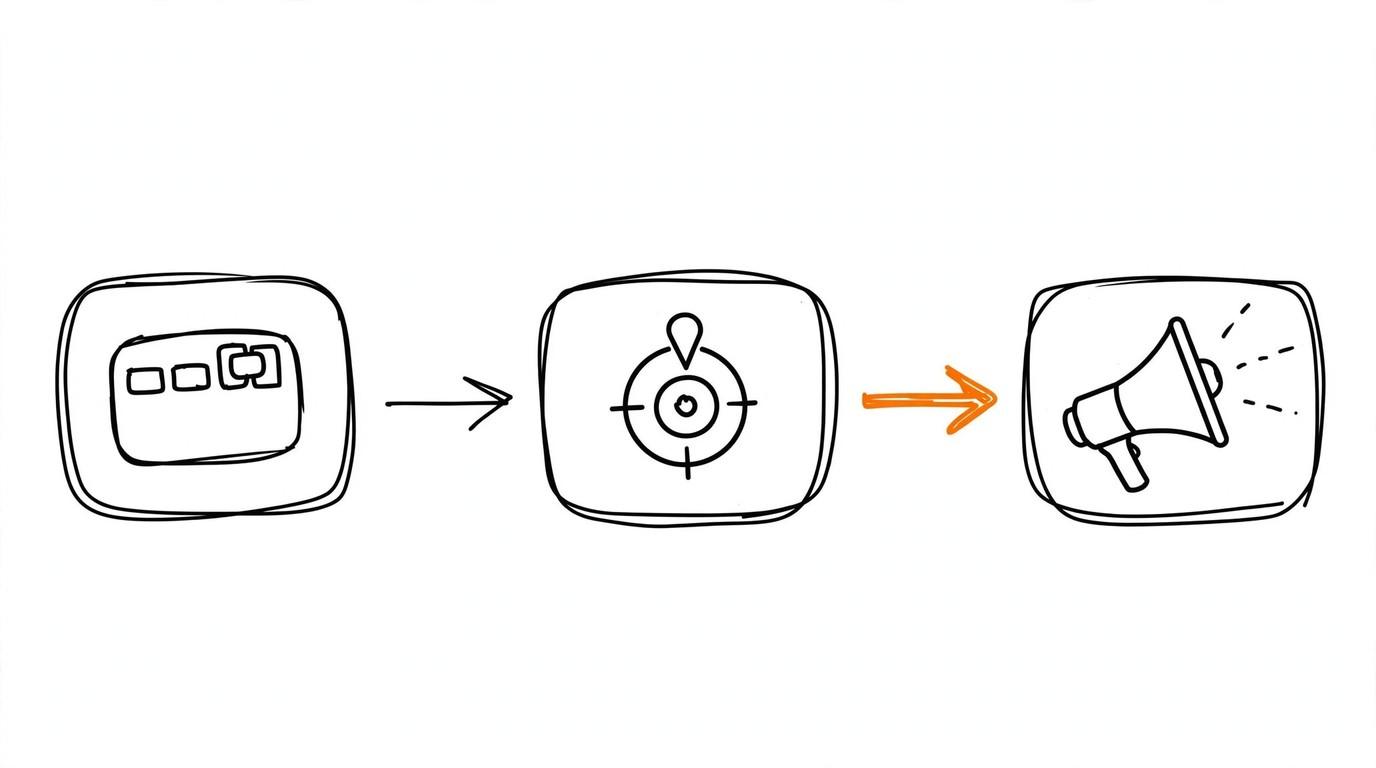
Tracking Stack: MMP + Tracker + CAPI for App-Install Campaigns
A practical assembly guide for an app-install tracking stack: which layer measures installs, which one keeps your ROI reporting, how an event ID travels from ad click to Meta CAPI and the TikTok Events API, and which checks prove the stack works before you scale spend.

Keitaro vs Binom vs Voluum vs RedTrack: Full Comparison for Media Buyers
A side-by-side comparison of four affiliate trackers: self-hosted versus cloud hosting, current pricing pages, event limits, Meta CAPI and TikTok Events API support, postback mechanics, and clear scenarios for choosing between them without overpaying.

TikTok Smart Plus Web Campaigns: Signal Requirements and Events API Setup
Smart+ automates targeting and bidding, but it optimizes whatever signal you feed it. Here is the measurement stack TikTok's best practices require.

How to find your TikTok Pixel ID and generate an Events API access token
How to locate your TikTok Pixel ID, generate an Events API access token, and verify the pair before connecting production automation.
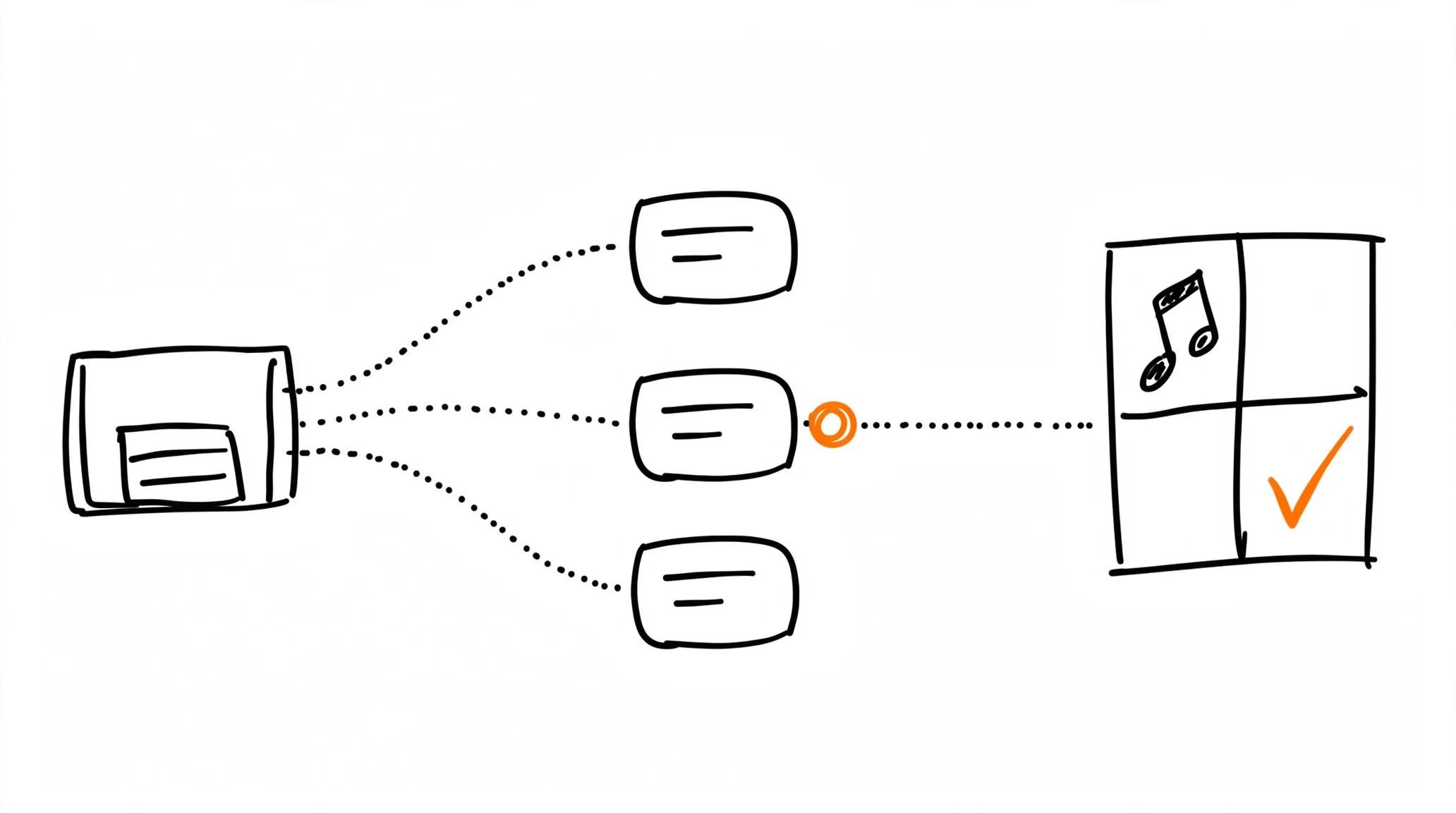
TikTok Events API Gateway: Multi-Account Server-Side Delivery Explained
TikTok's Events API Gateway serves many ad accounts from one host, deduplicates pixel and server events, and onboards new accounts in minutes.

TikTok Events API Error Codes: What They Mean and How to Fix Them
Every TikTok Events API error code you will meet in production, what the response body tells you, and the fix for each - from permissions to rate limits.
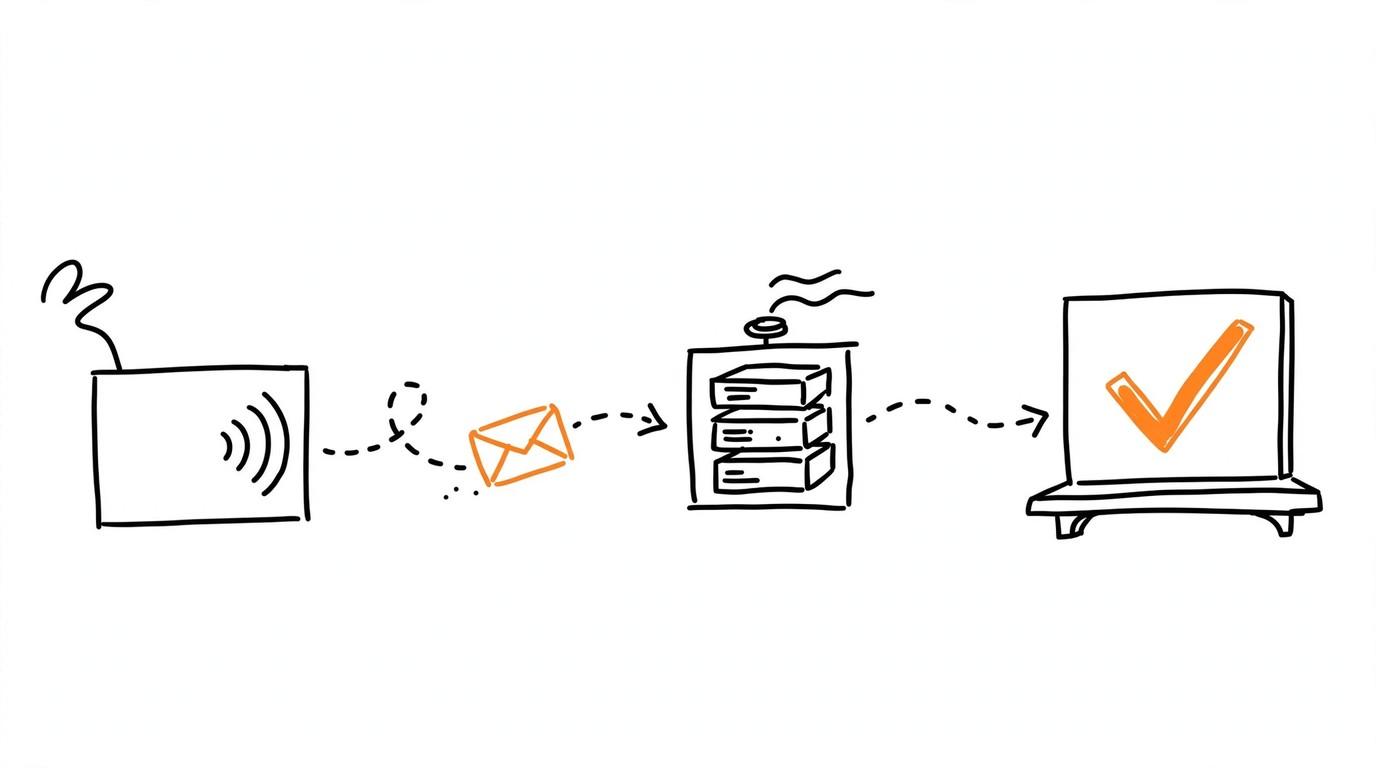
TikTok Events API Affiliate Trackers: Setup Guide
A practical guide to sending conversions from affiliate trackers to TikTok Events API: ttclid, user_data hashing, deduplication, attribution windows, testing, and troubleshooting.