TikTok Events API Gateway: Multi-Account Server-Side Delivery Explained
What the Events API Gateway Is
The TikTok Events API Gateway is a tool that quickly creates a reliable server-to-server connection to send website event data directly to TikTok - the same delivery channel as the events API, wrapped in infrastructure that removes most of the technical setup. Behind it is an onboarding pitch: new accounts connect in minutes, because the server connection already exists and each account simply gets a space on it.
Surface-wise, the scope is specific and worth checking against your funnel before planning around it. The gateway lives in TikTok Events Manager and Ads Manager, supports in-feed and Spark Ads placements, and targets two campaign objectives: Conversions and Web Value-Based Optimization. TikTok credits richer event data with improving oCPM delivery and lowering CPAs through better targeting - the standard argument for server-side signals, made easier to act on.
The Host and Tenant Model
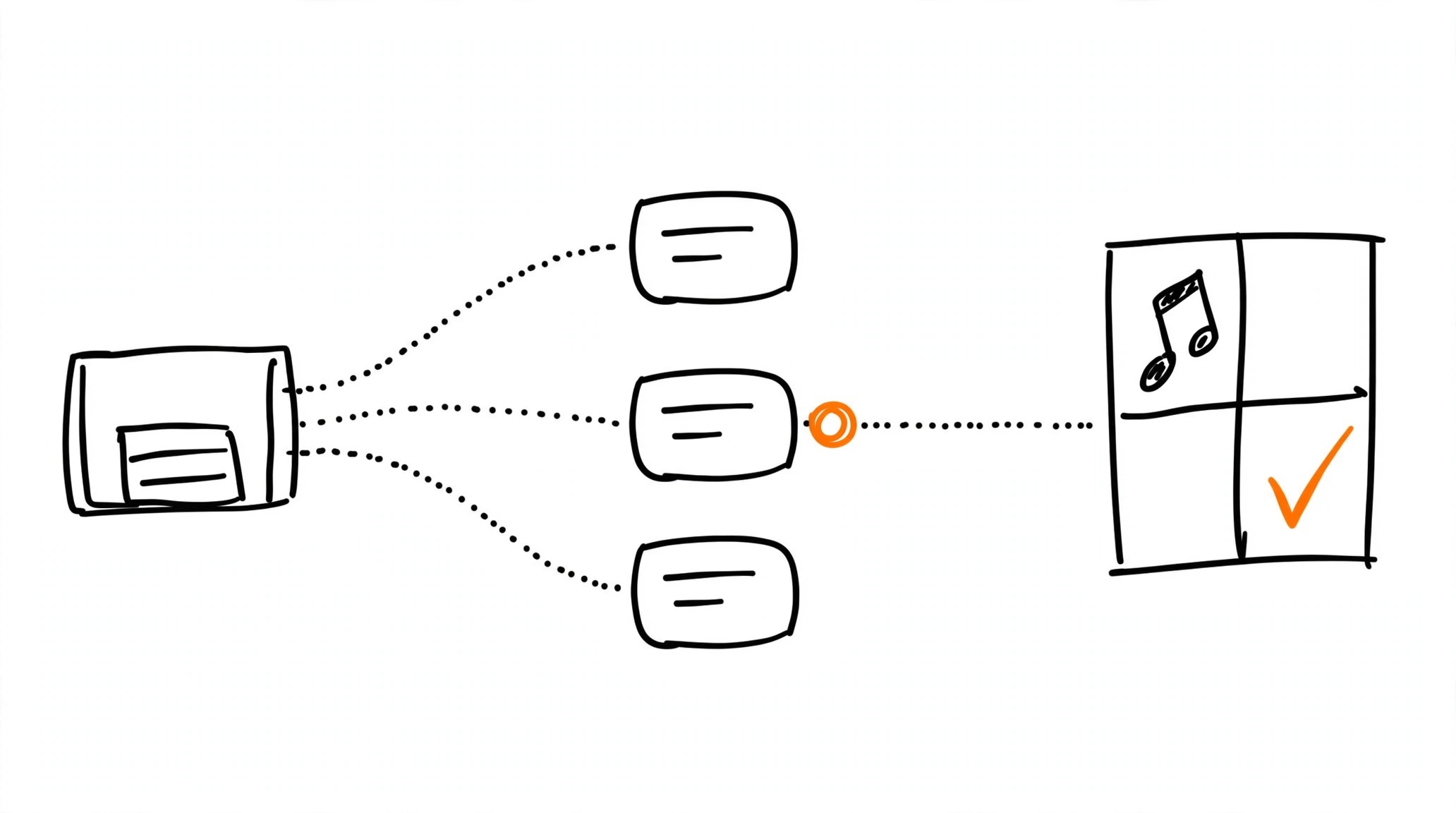
The architecture is a two-level structure TikTok calls host and tenant. Once a gateway is set up as a host, it can manage multiple accounts; each account receives a dedicated space called a tenant, which keeps data organized and each account's information separate and protected. Every tenant connects to TikTok directly with access tokens tied to its own ad account - so account isolation is enforced at the token level, not by convention.
Administration splits into two roles. Host Admins manage the overall gateway setup and control who can use it: creating tenant accounts, adding team members, and configuring custom domains happen in the gateway dashboard. Tenant Admins manage their own account space and see nothing beyond it. For an agency running several brands, this maps cleanly onto reality - one infrastructure operator, one dashboard, and per-brand spaces that cannot leak into each other.
How Delivery and Deduplication Work
A tenant links its TikTok pixel and sends additional server-side events through the gateway. TikTok's stated rationale is journey coverage: the pixel covers the browser side, the Events API covers the server side, and together they capture the full customer journey while avoiding browser signal loss - the same reasoning that drives pixel and CAPI setups in Meta's ecosystem.
The double-counting question resolves at TikTok's side: internal logic avoids duplication by matching key IDs like event_id or the _ttp TikTok cookie. That takes one integration burden off your plate - but not all of it. The event_id your side sends still has to be consistent between the pixel call and the server call for the same conversion, which in a tracker funnel means deriving it from the transaction identifier the tracker already knows. The pixel ID and access token plumbing stays part of the setup too, since tenant tokens are tied to real ad accounts.
Where the Gateway Fits - and Where It Does Not
Three target audiences are named directly. Digital agencies running TikTok ads for multiple brands need one central system connecting pixel and server data with a low developer lift. Adtech partners providing plugins or hosting for many merchants want to embed TikTok event sharing across their base on one infrastructure. Retailers with sub-brands operating multiple storefronts want a consistent server-side setup with centralized control.
The common thread is multiplication: many accounts, one host. If you run a single ad account, the gateway's isolation model buys you little - a direct Events API integration or a delivery tool covers the same signal quality without the extra layer. And if you would rather not operate any of it, MOST delivers tracker postbacks to TikTok's Events API alongside Meta, Reddit, Pinterest, Snapchat, and OpenAI, and the free Pixel Activator handles TikTok delivery for a single landing. For teams that do want to run their own gateway, TikTok maintains a self-host setup guide in the Events API developer documentation, covering tenants, user management, settings, and pixel integration on your own infrastructure.