Topic
Guides on: Conversion Measurement
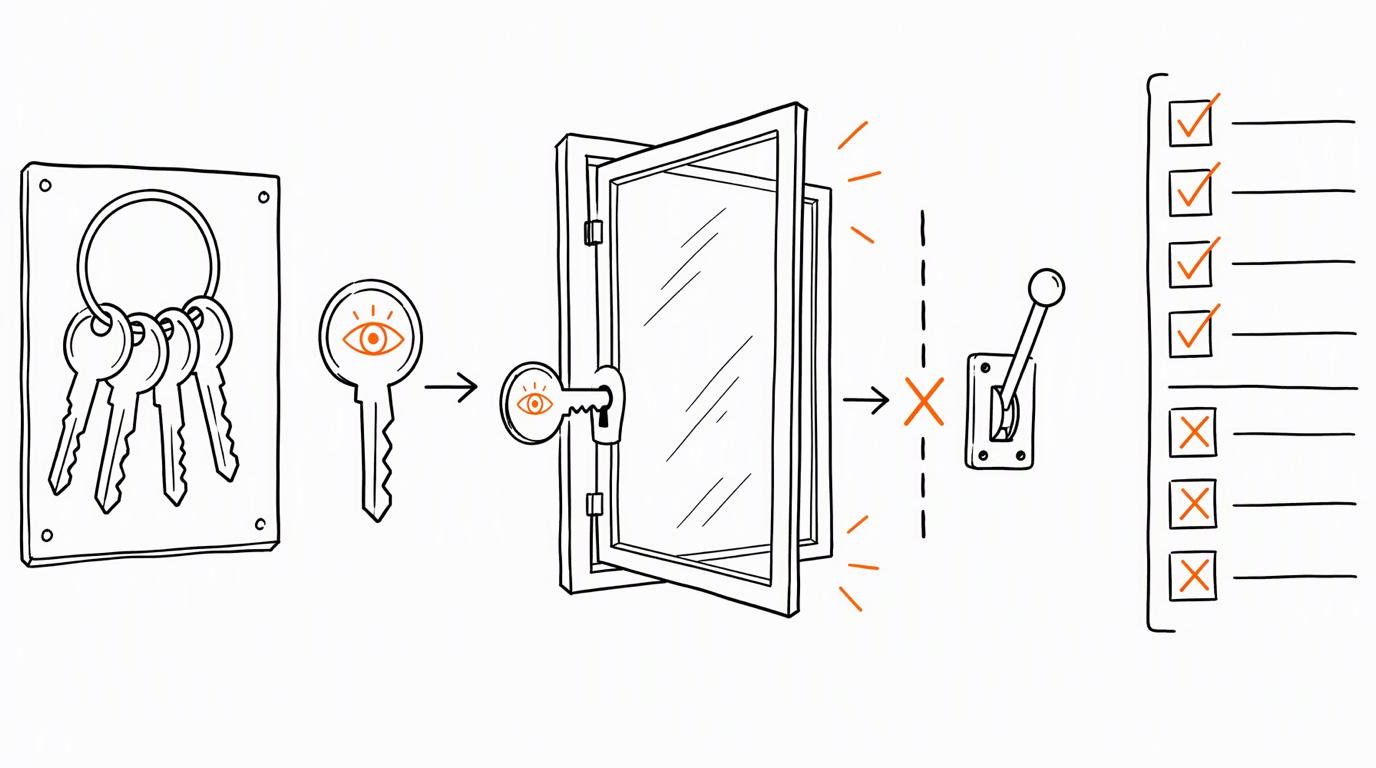
Audit scope with google ads read-only access
An audit needs a list of resources and permitted checks. A read-only label in one product does not grant access to another product or establish every screen's visibility.

Demand Gen attribution across a Telegram handoff
A campaign placement, a Telegram destination and a conversion import are separate parts of the route. Connect them with observed records instead of assuming identifiers survive.

How a partner postback connects to a Telegram route
A received callback can still have an unknown identifier or an unmapped status. Trace one transaction through separate records before changing the campaign.

Managed Versus Self-Hosted Integration: Four Questions a Contract Must Answer
Comparing a managed integration with a self-hosted one means reading obligations, not brands: where the click and sent-event records live, who applies updates, which support text exists in the agreement, and why a published $55 per month and a price of Custom cannot be divided into each other.
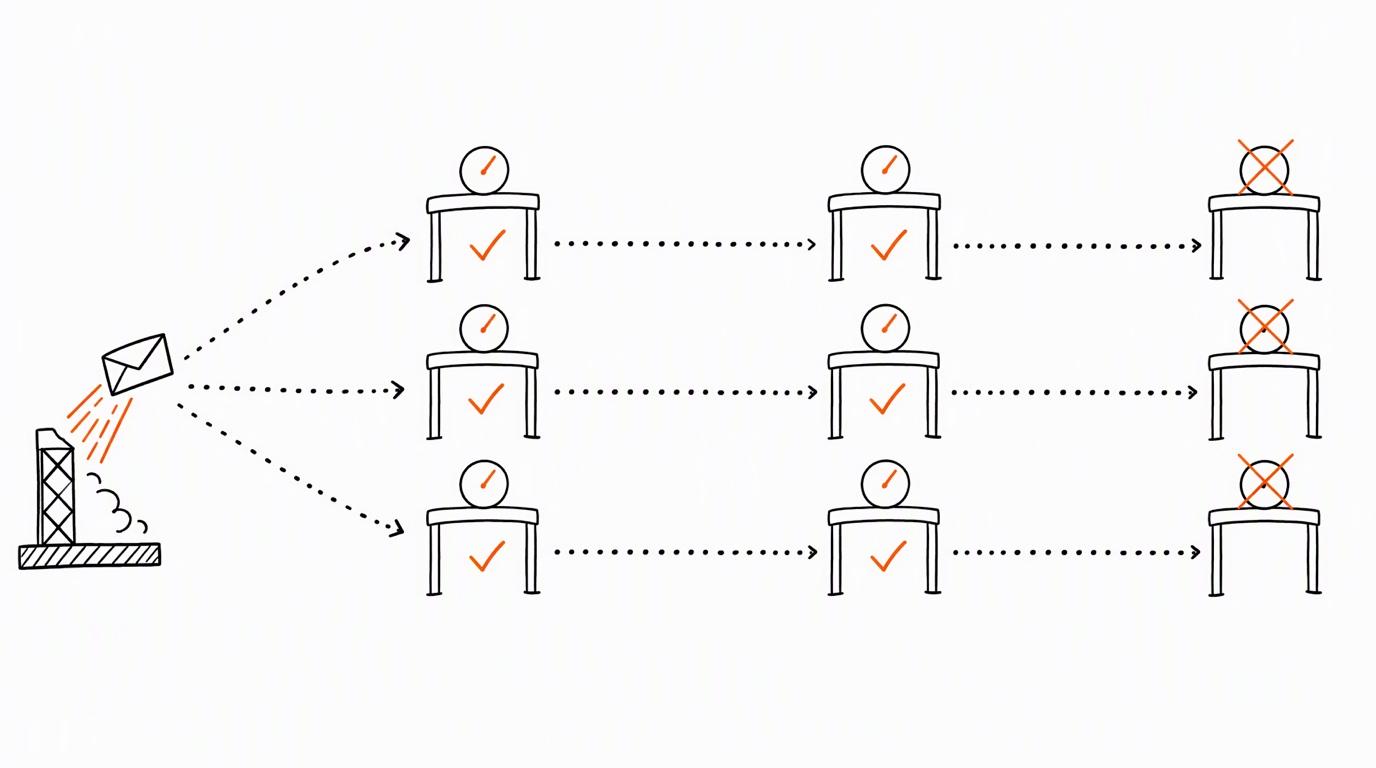
Multi-Destination Conversion Test: Sent, Accepted and Recorded Are Three Facts
A multi-destination conversion test leaves a separate receipt for each platform. Record the request, response and test mode, then check the destination evidence. The procedure distinguishes acceptance from storage, matching and attribution.

Legacy Tracker Data Migration: What Survives the Export
Before any cutover date is written down, one question decides the whole migration: what can a legacy tracker export still carry per row. Click keys, time bases and links the source already lost are three separate inventories, and the side-by-side feed compares them row by row.
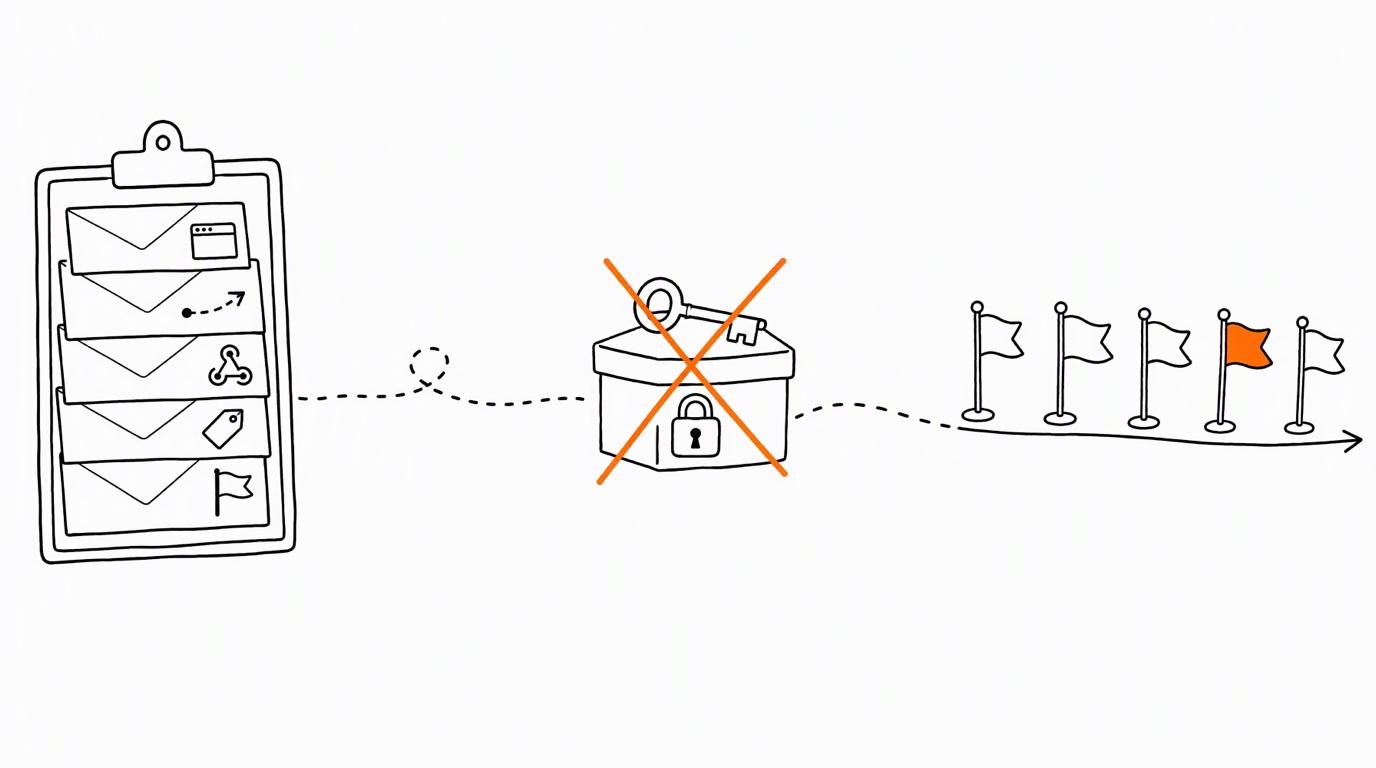
Conversion Path Brief: What the Contractor Needs Before Work Starts
A conversion path brief is what the customer hands to the contractor before any integration work starts: five mandatory input sets, no credentials in the text, and four separate acceptance lines so sent, accepted, counted and attributed never get signed off as one.
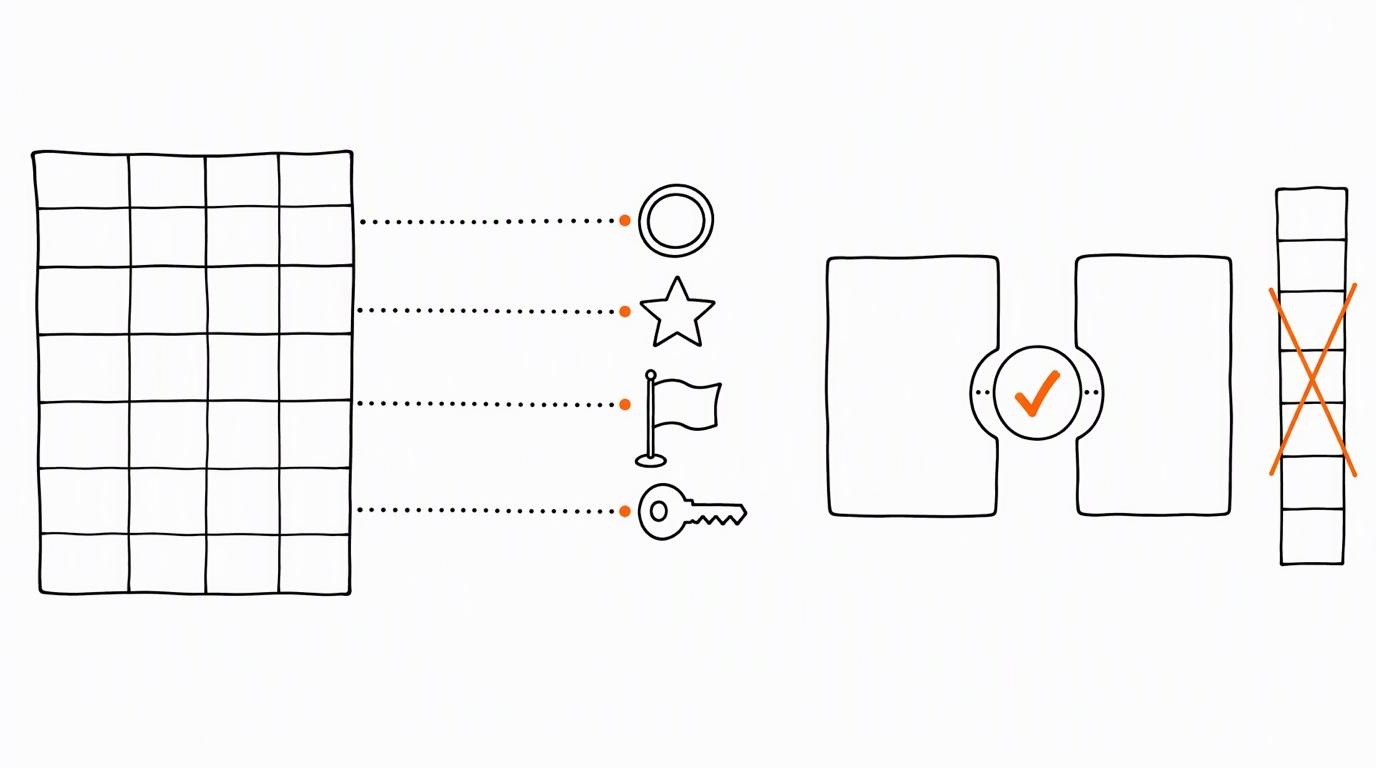
Event Schema Contract: The Field List a Client Must Agree Before Development
A custom conversion path fails in meetings long before it fails in code. Here is the artifact that ends those meetings: the field list, four states of requiredness instead of one column, the semantics each row must carry and the questions the data owner answers in writing.