ChatGPT Ads Click ID (oppref): The Thread Your Attribution Hangs On
What oppref Is and Where It Comes From
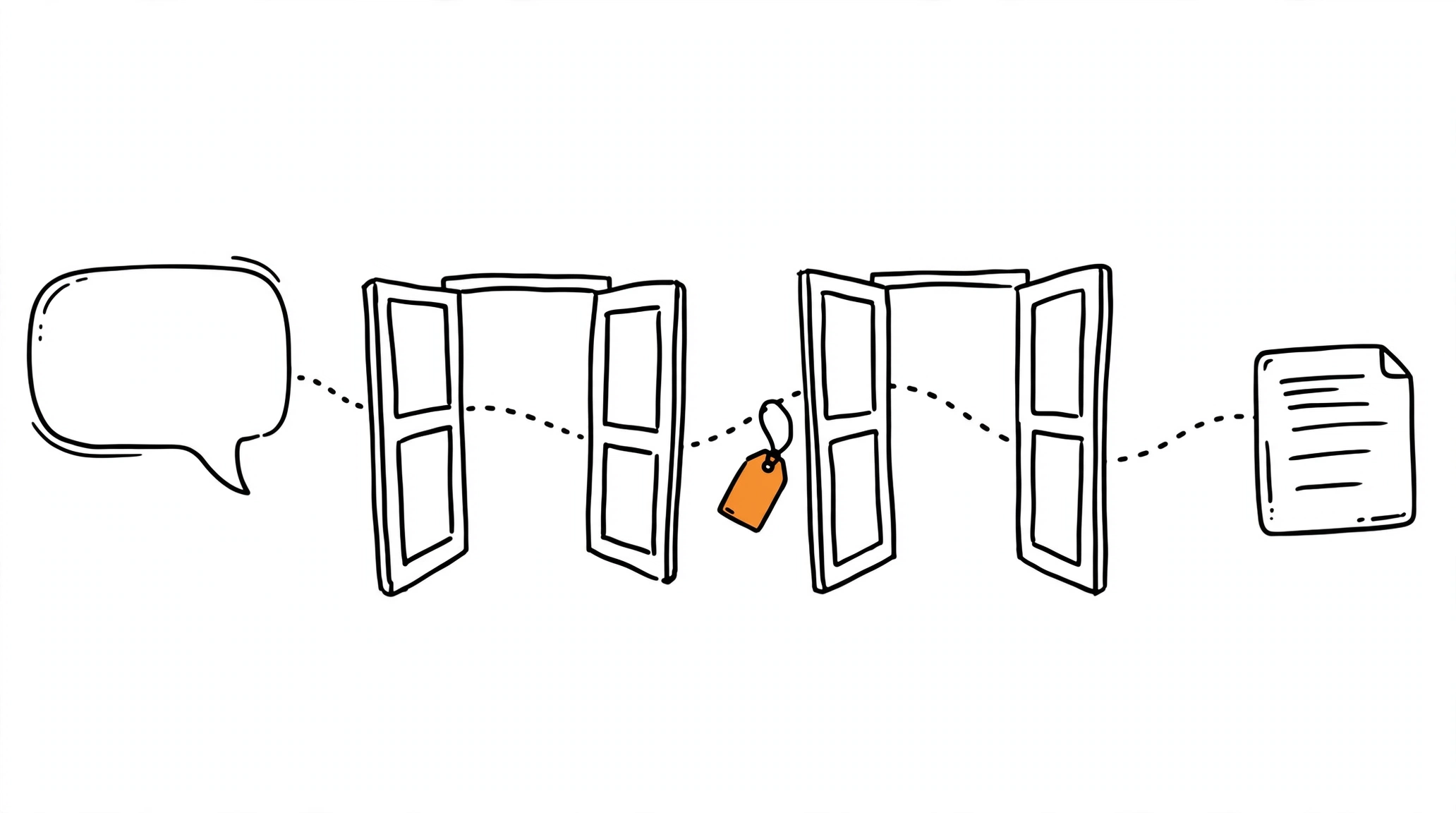
The ChatGPT Ads click ID is called oppref - the OpenAI click reference. When a user clicks a ChatGPT ad, OpenAI appends oppref to the end of the landing page URL in a format like ?oppref=gAAAAAb123 - an opaque token, not a human-readable identifier. The mechanics echo the role fbclid and ttclid play on Meta and TikTok, which the link tracking parameters guide covers for those platforms: the parameter exists so the platform can recognize its own traffic when a conversion happens later, on a page that has nothing to do with the ad itself.
How the Pixel and the API Use oppref
Two consumers touch the same reference. The OpenAI Pixel, once installed on the landing page, captures oppref from the URL and stores it in a first-party cookie, so any conversion event the pixel later fires can be associated with the ad click automatically. The Conversions API path is explicit instead: when the reference is available to your server, OpenAI asks advertisers to include oppref in CAPI calls, attaching the click context directly to the server event. Both routes feed the same attribution conditions from the attribution guide - the conversion needs a connectable click, and oppref is the strongest connective signal OpenAI names. Preserving oppref satisfies only that click-connection condition: the event still has to be set up as a configured conversion event and land inside the active attribution window.
Why oppref Gets Lost in Tracker Funnels
Affiliate and tracker funnels are hostile territory for URL parameters. A redirect chain that rebuilds the destination URL can drop unknown query strings; some landing builders and CDN layers normalize or sanitize parameters they do not recognize; a second hop from a pre-lander to an offer page loses the parameter unless it is explicitly forwarded. When oppref disappears, the pixel has nothing to store, server events have nothing to attach, and OpenAI falls back to weaker measurement signals - advanced matching on hashed customer information, or modeled measurement where available. Conversions may still be counted, but the solid click-level thread is gone, and your reporting quality degrades with it.
Preserving oppref Through Redirects and Landing Pages
The fix lives in funnel plumbing, and OpenAI lists preservation as a measurement-quality step. Concretely: every redirect in the chain must forward the full query string, landing pages must not rebuild URLs without their parameters, and any script that rewrites links has to carry oppref along. Tracker users get help here - RedTrack ships a ChatGPT Ads preset whose traffic source setup already captures the oppref parameter from ad clicks, per RedTrack's documentation. Trackers without a preset need a custom parameter doing the same job: accept oppref as an incoming URL parameter at the first hop and make it available to every later stage of the funnel. Static UTM parameters ride alongside oppref - OpenAI confirms static tracking parameters persist on ad clicks - but UTMs feed your analytics, while oppref feeds attribution.
Sending oppref Back With Server Events
Server-side delivery is where preserved oppref turns into measurement. The conversion tracking architecture already runs two sources - the pixel in the browser and the conversions API from your server - deduplicated by shared event_id. Adding oppref to the server payload closes the loop for funnels where the browser pixel never fires: postback-driven tracker flows, phone-order confirmations, delayed upsells. Where the click identifier is unavailable despite the plumbing, automatic advanced matching provides the fallback - the pixel hashes recognized customer information with SHA-256 in the browser - but that is the safety net, not the plan.
Validating That the Chain Works
The plumbing test takes minutes and costs nothing. Append a sample parameter - for example ?oppref=gAAAAAb123 - to the entry URL of your funnel and walk every hop: pre-lander, tracker redirect, offer page. The value must survive each one untouched for attribution to have anything to hold on to. Then validate the event side with the same test-before-spend habit that Meta advertisers already practice, so the measured conversion is confirmed end to end before real budget flows. MOST preserves tracker postbacks and delivers conversions server-side to ChatGPT Ads alongside Meta, TikTok, Reddit, Snapchat, and Pinterest, and the free Pixel Activator validates one event end to end at pixel.way2.us before recurring delivery begins.