Meta Test Events Tool: How to Validate Pixel and CAPI Events Before Scaling
A pixel that fires is not the same as a pixel that converts. Before you increase budget, confirm in the Meta Test Events tool that every key event really reaches Events Manager from both the browser and the server. This guide walks through browser and server testing, shows how to read event statuses and error codes, and ends with a checklist you can run before scaling.
What the Meta Test Events tool is and where to find it
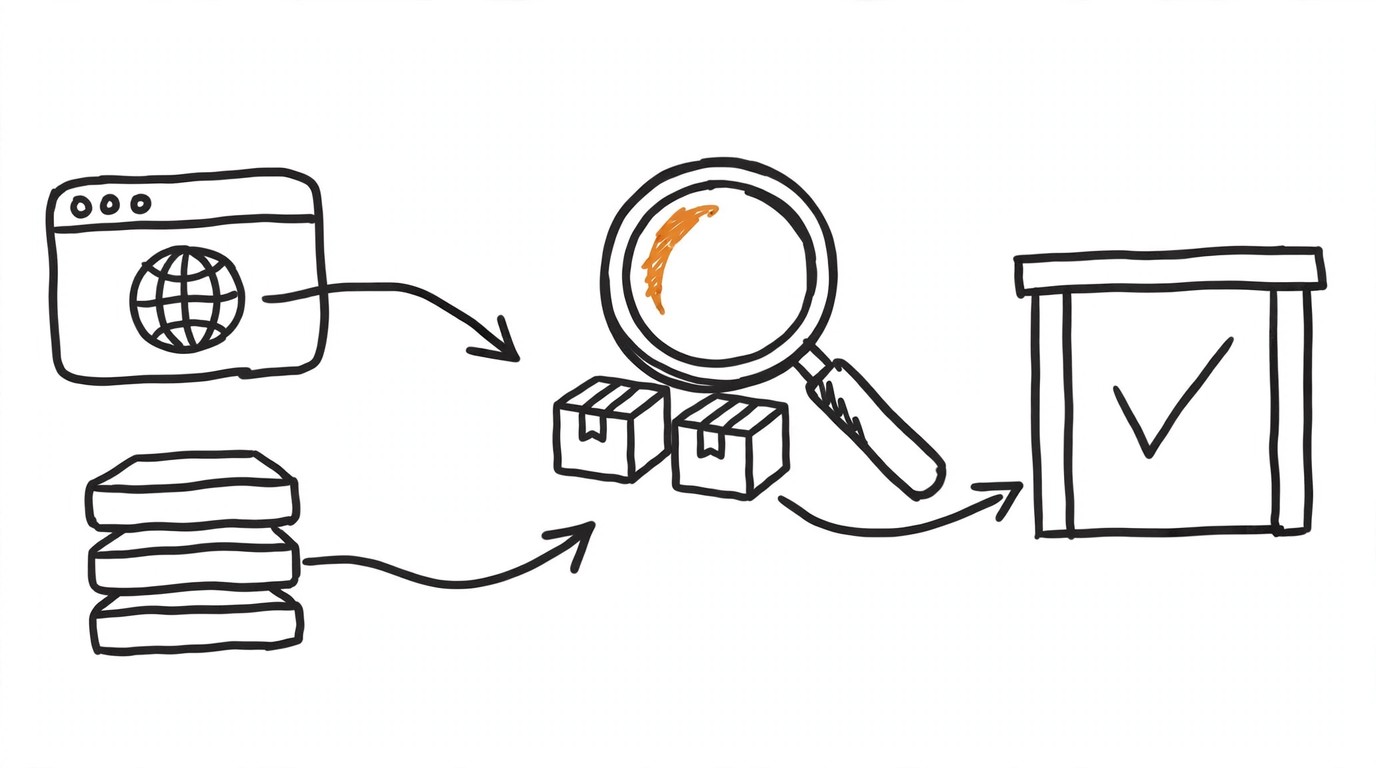
The Meta Pixel sends browser events, while the Conversions API sends server events. Test Events receives both streams and displays them in two panels, Browser and Server, so you can see at a glance which side is delivering data. To open the tool, go to Events Manager, select your pixel or dataset and click Test events in the left menu. Enter the URL of the page you want to test and Meta opens a clean test browser window with event capture enabled. According to Meta Business Help Center, events from that window appear in the tool immediately, so you can check the whole funnel without waiting for reports.
How to test browser events with the Pixel
Start the test browser from the Test Events screen and log in as a fresh user if your funnel requires it. Then perform the actions that matter for optimization: view a product, start checkout, submit the lead form, reach the thank-you page. Each action should produce an event in the Browser column within seconds. Click any event to inspect its parameters: page URL, currency, value, content IDs. If an expected event never appears, check whether the pixel code is installed on that page and whether the event fires on the correct action. A missing Pixel ID or access token is a common root cause, and the guide on Facebook Pixel ID and Access Token explains how to find and set both correctly.
How to test server events with the Conversions API
Server events never depend on cookies, so you validate them separately. In Test Events the Server panel lists everything received through the Conversions API for the selected dataset. Most integrations expose a test button that sends a sample payload. If yours does not, send a request with one test event from your server using the access token shown in Events Manager. A minimal payload looks like this:
{
  "data": [
    {
      "event_name": "Purchase",
      "event_time": 1754822400,
      "event_id": "test-12345",
      "action_source": "website",
      "event_source_url": "your-site.example/thank-you",
      "user_data": {
        "em": ["hashed_email"],
        "client_ip_address": "203.0.113.10",
        "client_user_agent": "test-agent"
      },
      "custom_data": {
        "currency": "USD",
        "value": 19.99
      }
    }
  ]
}
The event should appear in the Server column within a few seconds. If it does not, verify the token, the dataset ID and the request format. When CAPI goes through a tracker, the Keitaro Facebook CAPI integration guide covers a working setup. For API error responses such as code 2804003, see Facebook CAPI error 2804003.
How to read event statuses and error codes
Test Events marks every incoming event with a status. A clean event shows as received. Warnings usually mean missing recommended parameters such as value, currency or user information for matching. Errors point to malformed fields, wrong timestamps or an invalid action_source. Expand the event and the tool names the exact parameter that caused the problem, so you fix it in one pass. Pay special attention to the parameters Meta uses to match events to people: hashed email, phone number, IP address and user agent. The more of them you pass, the higher your event match quality. If you use CAPI, the official Conversions API parameters documentation lists every accepted field and format.
How to confirm deduplication in test results
Sending the same conversion from the browser and the server is the recommended setup, yet it only works with correct deduplication. Meta drops the duplicate when two events carry the same event_id and event_name. In the Meta Test Events tool you can verify this directly: perform a purchase with both channels active and confirm the event is counted once instead of twice. The mechanics of event IDs are covered in depth in the event-id deduplication concept article. If you see double counts, your integration generates a unique event_id on each side instead of sharing one value between the browser and the server.
Pre-scaling validation checklist
Use this checklist in the Meta Test Events tool before raising budgets:
- Every funnel step fires the expected event in the Browser column.
- Server events arrive in the Server column with all required parameters.
- No error statuses remain; warnings are reviewed and accepted or fixed.
- Each conversion is counted exactly once, which means deduplication works.
- Match quality parameters are passed: hashed email, phone, IP, user agent.
- Results stay consistent after testing in a clean browser session.
If you still have no pixel on the site, activate it in a few minutes with Pixel Activator. And when you want conversion routing and reporting across funnels handled automatically, connect MOST.