ChatGPT Ads Multiple Pixels: One Site, Several Advertisers, Clean Measurement
When One Website Needs Multiple ChatGPT Ads Pixels
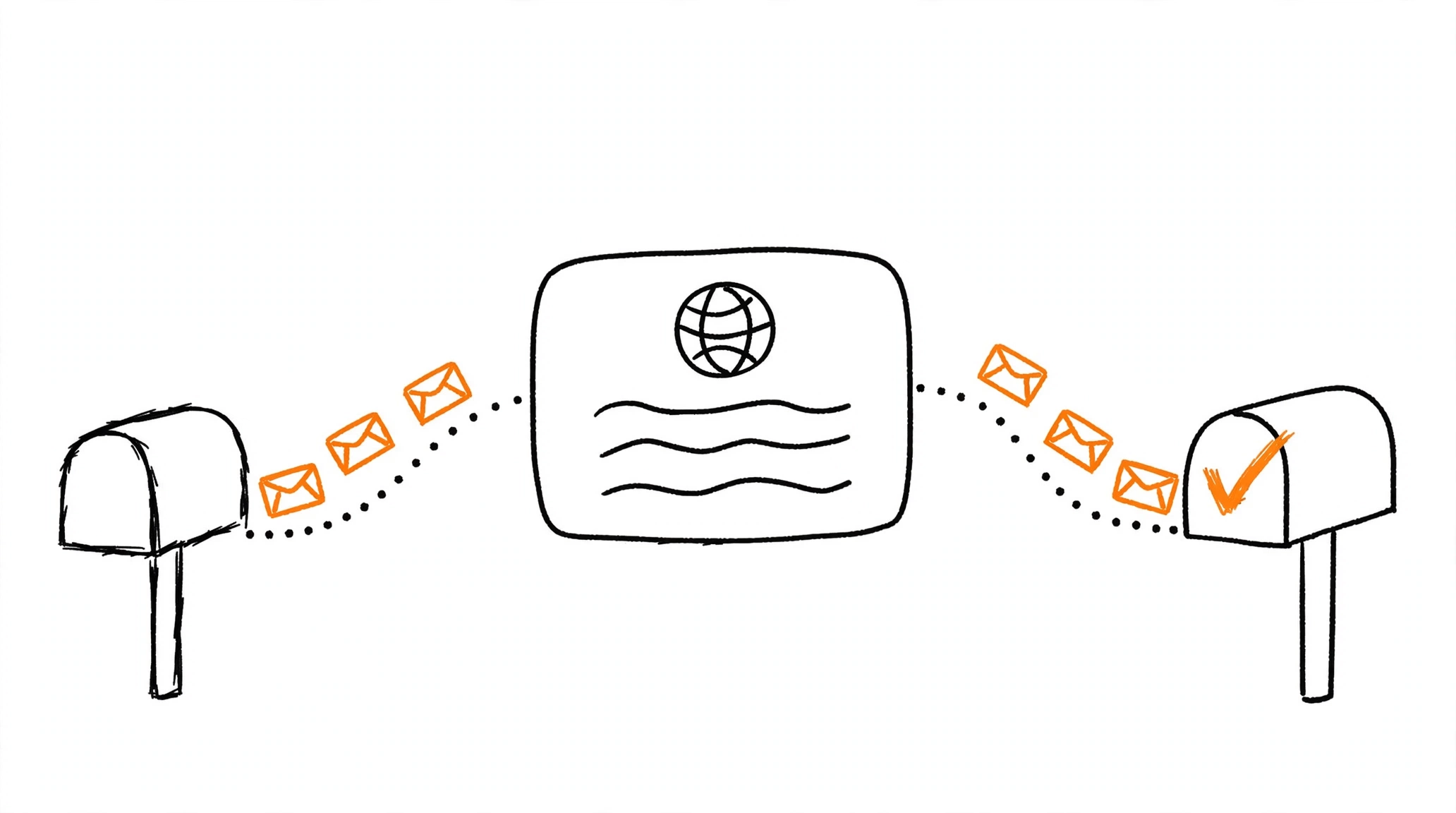
OpenAI documents the scenario precisely: the same website needs multiple Pixel IDs when it measures conversions for more than one advertiser, brand, or integration partner. Agencies running several client brands through one domain, marketplace operators sharing a checkout across vendors, and partner integrations that each need their own measurement all land here. The alternative - squeezing every conversion into one pixel - pollutes attribution for everyone involved, because two brands cannot both optimize toward the same conversion stream without claiming each other's results. The multi-pixel mode keeps each advertiser's conversion tracking in its own lane on shared real estate.
Initializing More Than One Pixel ID
The setup stays light. The JavaScript SDK loads exactly once per page, and each pixel wakes up with its own init call:
oaiq("init", { pixelId: "<PIXEL-ID-A>" });
oaiq("init", { pixelId: "<PIXEL-ID-B>" });
Order matters in one direction only: initialize each pixel before sending events to it, because a pixel you initialize later does not receive the events that fired before its init. Pages that conditionally load pixels - consent-gated setups, A/B-split brand pages - should treat late initialization as the expected case and check which pixels are live before assuming an event was delivered to all of them.
Broadcast and Targeted Events: measure vs measureSingle
The default measure command broadcasts. Every Pixel ID initialized at the time of the call receives the event:
oaiq("measure", "page_viewed", {
  type: "contents",
});
Both pixels in the example receive that page view. Targeted delivery uses measureSingle, which inserts the Pixel ID before the event name and sends the event to that pixel alone:
oaiq("measureSingle", "<PIXEL-ID-A>", "order_created", {
  type: "contents",
  amount: 2599,
  currency: "USD",
});
Only Pixel A sees the order; Pixel B does not. measureSingle accepts the same event data and optional event options as measure, and the SDK refuses to redirect events for an unknown Pixel ID to another pixel - a typo fails silently rather than leaking events sideways.
Mirroring the Split on the Server Side
The browser-side split only pays off when the server side mirrors it. Conversion setup in Ads Manager provisions Pixel IDs together with their Conversions API keys, so a multi-advertiser site ends up with one pixel-and-key pair per brand, and each server event has to address the right pair - the same discipline as routing postbacks to the right pixel and access token on Meta. Deduplication stays per pair as well: when a brand's pixel and that brand's CAPI both carry the same conversion, the shared event_id collapses the copies within that pair - the same event ID deduplication that single-pixel setups rely on, scoped to each pair. The cross-brand noise only starts when the browser broadcast sends one event to two pixels and two server events follow - each pair deduplicates itself, but the conversion now exists in two advertiser accounts by design.
Common Multi-Pixel Pitfalls
Three failure modes dominate. Broadcasting by habit: measure sends to every initialized pixel, so two brands sharing a page silently receive each other's events unless conversions use measureSingle with an explicit Pixel ID. Late initialization: a consent gate or lazy script that initializes Pixel B after the first events fire leaves Pixel B blind to everything earlier. Skipped dedup: running a brand's pixel and CAPI without shared event_ids doubles that brand's conversions inside its own account. None of these are platform defects - the SDK behaves exactly as documented - but each one turns a clean multi-brand setup into a reporting argument, and the attribution guide explains what the resulting numbers do and do not mean.
Validate Each Pixel Separately
Validation scales with the setup. Walk each Pixel ID through the full chain - init, a test event, and confirmation in that advertiser's Ads Manager - rather than trusting one brand's success to cover the rest. The pixel's debug mode - pass debug: true in the init config - logs SDK activity to the browser console while the integration is being tested, and per-pair dedup deserves its own check: fire the same conversion through pixel and CAPI with a shared event_id and confirm a single counted conversion. MOST delivers tracked conversions server-side to ChatGPT Ads alongside Meta, TikTok, Reddit, Snapchat, and Pinterest, and the free Pixel Activator validates one event per landing at pixel.way2.us before multi-brand delivery goes live.